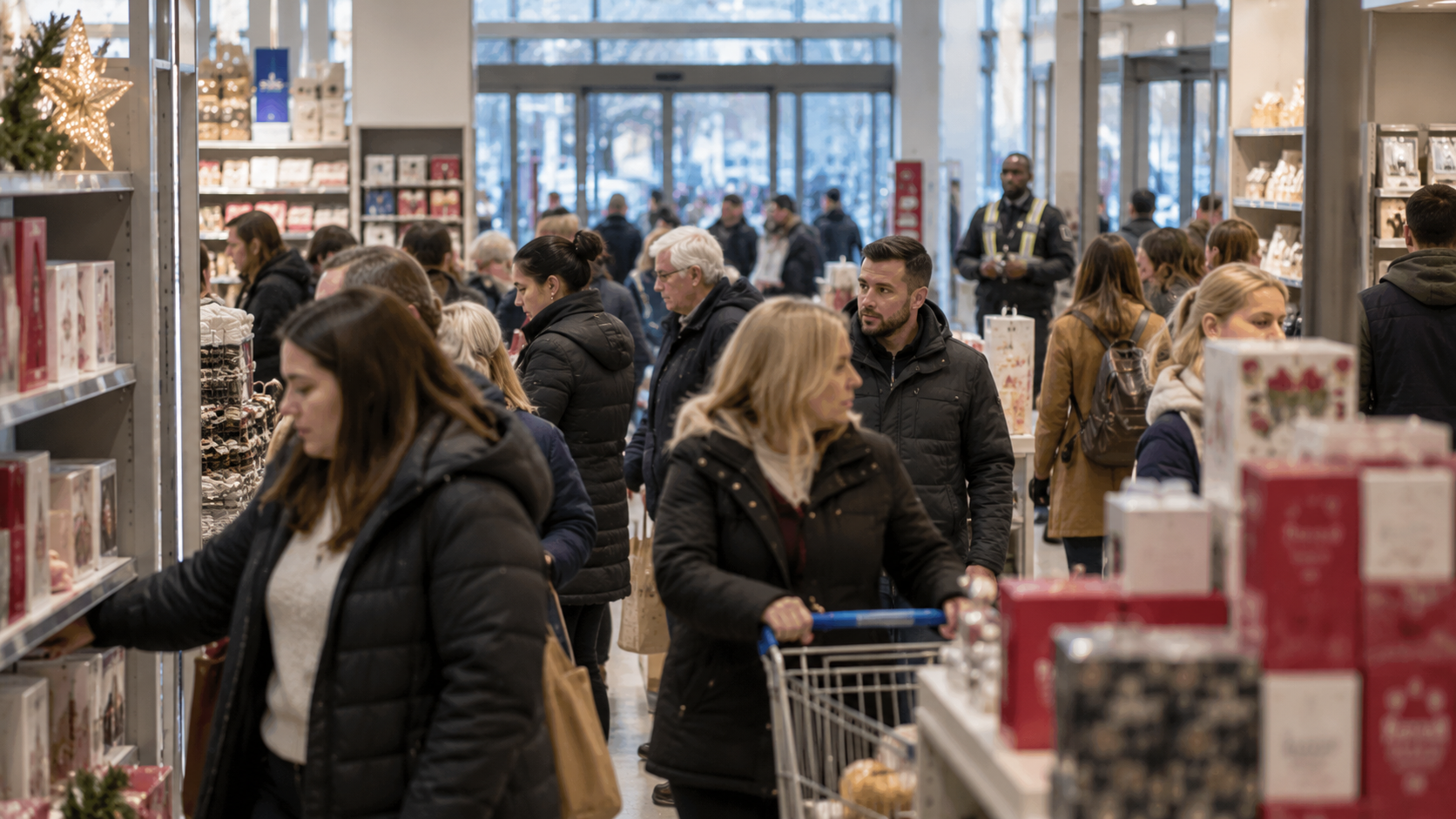
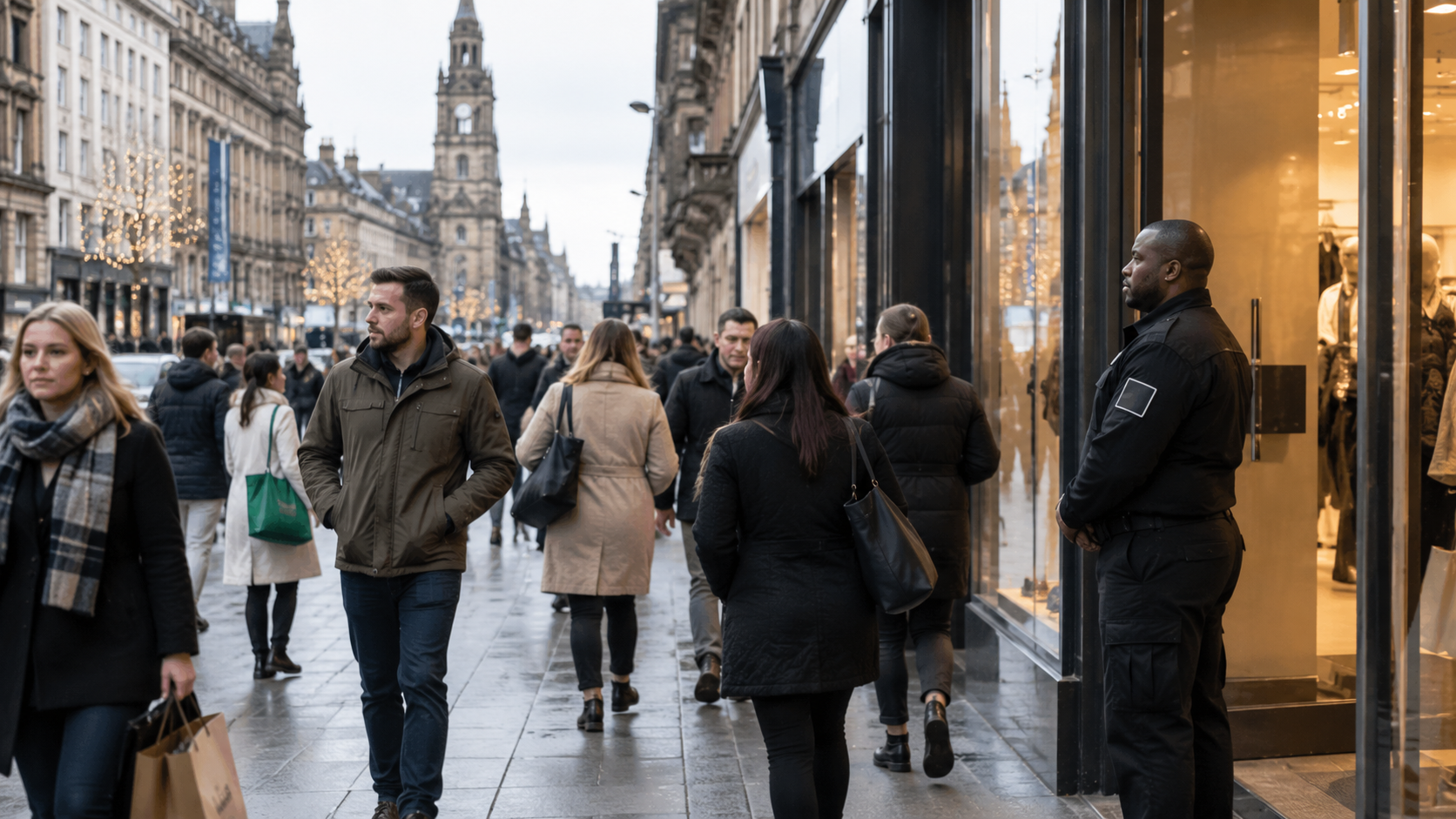
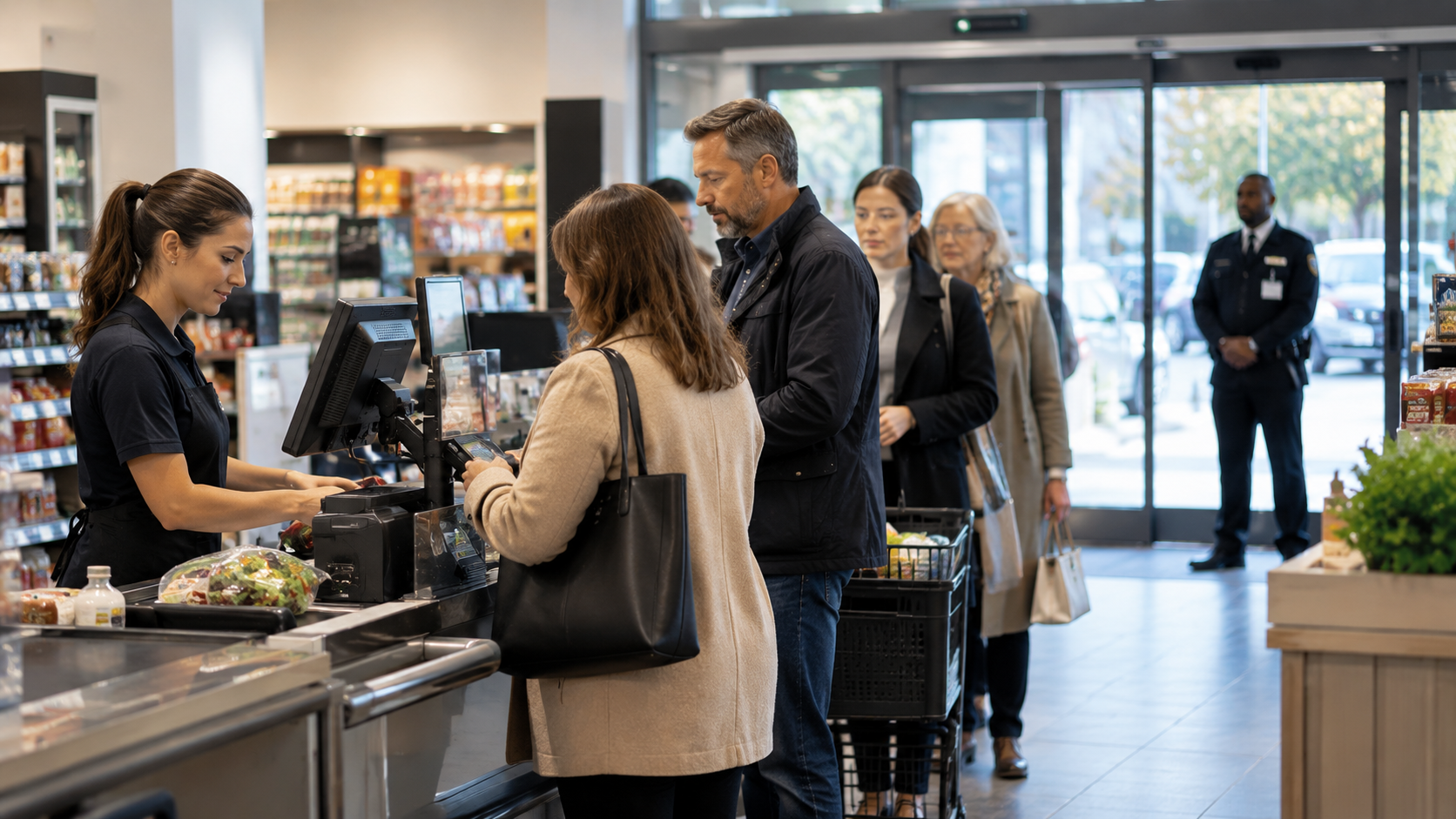
Salford’s retail scene is busy and fast-moving. From high-street shops to retail parks near Salford Quays, stores see constant footfall. That activity brings sales, but it also brings risk. Theft, anti-social behaviour, and staff safety issues are no longer rare events. They are part of daily trading for many retailers.
This is why Salford businesses need retail security. Retail security is about visible control, calm presence, and early action. It supports staff, protects stock, and helps stores trade with confidence. For insurers and landlords, it also shows risk is being managed, not ignored.
With retail crime across Greater Manchester evolving, simple CCTV is often not enough. SIA licensed retail security guards, clear routines, and proper compliance now play a central role in retail theft prevention in Salford.

Understanding Retail Security Basics in Salford: How Local Risk Shapes Real Protection
Retail security in Salford works best when it reflects how shops actually trade. This is not about fixed posts or silent monitoring. It is about movement, awareness, and timing. Stores are open spaces. Security must keep pace without disrupting trade.
What Retail Security Really Means for Salford Stores
Retail security is built around live environments. Guards are visible, alert, and responsive. Their role is not just to react but to prevent problems before they grow.
Key differences from static guarding include:
- Focus on customer-facing spaces, not closed sites
- Active monitoring of behaviour, not just access points
- Regular movement rather than fixed standing
- Early intervention to reduce loss and tension
Static guarding works well for offices or vacant sites. Retail spaces need something more flexible. This is why retail security guarding in Salford has become a priority for busy stores.
How Retail Crime Levels Influence Security Planning
Retail crime in Salford has increased in line with wider Greater Manchester trends. Shoplifting accounted for the most pronounced rise in the figures, increasing from 4.93 to 6.48 crimes per 1,000 people. This shift has placed added pressure on retail staff and changed how businesses plan day-to-day security coverage.
This rise affects planning in simple ways:
- More focus on visible deterrence
- Greater need for daytime coverage
- Clear reporting to support insurance claims
- Faster response to repeat incidents
Security planning now looks at patterns, not just incidents. Retailers want fewer problems, not just better responses.
Peak Theft Hours: When Retail Risk Is Highest
Retail crime follows a routine. It is shaped by footfall and staffing levels, not chance.
Common high-risk periods include:
- Late mornings, when stores feel calm
- Early afternoons, during staff task overlap
- After school hours, when footfall spikes
- Early evenings, as fatigue sets in
Retail security Salford plans often shift coverage during these gaps. The goal is presence at the right time, not all the time.
Retail Formats with Higher Theft Exposure
Not all retail spaces face the same pressure. Layout and location matter.
Higher-risk formats often include:
- Convenience stores with fast turnover
- Supermarkets during peak hours
- High-street fashion stores with open layouts
- Retail parks with shared car parks
Retail parks face added issues. Anti-social behaviour, loitering, and vehicle-related theft appear more often. Retail security helps by covering wider ground and managing shared spaces calmly.
Managing Anti-Social Behaviour in Retail Areas
Anti-social behaviour is one of the most disruptive retail risks. It affects staff confidence and customer comfort.
Retail security helps by:
- Maintaining visible presence
- Setting clear boundaries early
- Supporting staff without confrontation
- Reducing repeat incidents
This approach works well in retail parks and late-opening stores. It also supports commercial retail security Salford sites that rely on steady footfall.
Why Daytime Retail Security Demand Has Increased
Retail theft is no longer just an evening issue. Many incidents now happen during busy trading hours.
Daytime coverage has grown because:
- Stores carry more stock
- Staff are stretched during peak trade
- Offenders blend into crowds
- Early action prevents repeat visits
This shift explains the rise in retail loss prevention Salford strategies focused on visibility rather than response.
Daytime vs Evening Retail Security Risks
Risk changes as the day moves on.
Daytime risks often include:
- Opportunistic shoplifting
- Distraction-based theft
- Stock concealment
Evening risks often involve:
- Abuse towards staff
- Group behaviour
- Alcohol-related incidents
- Reduced staffing levels
Retail security plans work best when these differences are recognised, not treated the same.
Seasonal Events and Sales Periods
Seasonal trading brings pressure. Footfall rises. Temporary staff join. Stock levels increase.
During these periods, retail security supports:
- Longer opening hours
- Crowd management
- Faster incident response
- Safer closing routines
Without this support, small issues can quickly escalate.
Transport Links and Retail Exposure
Salford’s tram stops and bus routes bring constant movement. Stores near these routes see fast entry and exit attempts.
Retail security accounts for this by:
- Watching behaviour, not just exits
- Adjusting patrol timing
- Supporting staff near entrances
This approach mirrors lessons learned across Greater Manchester and nearby areas like Bolton, where transport-linked retail zones face similar pressure.
Economic Pressure and Retail Crime
Rising living costs have influenced retail crime levels. While this does not justify theft, it explains patterns.
Retailers now plan security with realism. The aim is not to force. It is control, consistency, and early action. Retail security guarding supports safer trading without changing the customer experience.
Understanding these basics helps Salford businesses choose protection that fits how their stores operate each day. It also supports clearer conversations with insurers, landlords, and internal teams.
Legal and Compliance in Salford Retail: What Businesses Must Get Right
Retail security in Salford works within a clear legal framework. For store owners and managers, compliance is not just paperwork. It affects liability, insurance cover, and how incidents are judged after they happen. Getting this wrong can cost more than the loss it was meant to prevent.
SIA Rules: The Baseline for Retail Security Staff
Any individual carrying out licensable retail security activity must hold a valid SIA licence. In Salford, this applies to roles involving:
- Theft prevention
- Monitoring customer behaviour
- Challenging or detaining suspects
- Controlling access to retail premises
The licence must match the role. Retail environments often fall under frontline guarding activity. Businesses are responsible for checking that licences are current, valid, and appropriate. Relying on assumptions or verbal confirmation is not enough.
Penalties for Using Unlicensed Security Personnel
Using unlicensed security staff carries real risk. This is not a minor breach.
Potential consequences include:
- Financial penalties for the business
- Invalidated insurance cover
- Increased liability if an incident occurs
- Reputational damage with landlords and partners
In Salford, where retail sites sit close to transport hubs and shared developments, scrutiny is higher. After an incident, the licence status is often one of the first checks made.
DBS Checks: When They Apply in Retail Settings
Retailers often ask whether every security operative needs a DBS check. The answer depends on context.
DBS checks are not a legal substitute for SIA licensing. They are an added safeguard. In retail environments, they are most relevant when:
- Staff work late hours
- Sites are open to vulnerable individuals
- Security teams interact closely with staff rather than customers
Many insurers expect DBS screening as part of wider due diligence, even when not legally mandated.
Insurance Expectations for Guarded Retail Sites
Insurance providers look closely at how retail security is deployed. In Salford, claims linked to theft or injury often trigger a review of:
- Guard licensing and vetting
- Incident reporting quality
- Coverage hours versus risk exposure
- Whether security matched the site’s trading pattern
Retail security guarding supports stronger insurance positions, but only when it is compliant. Poor documentation or gaps in coverage can weaken claims.
GDPR and Retail Security: CCTV Done Properly
Retail security often works alongside CCTV. This brings data protection obligations.
To stay compliant, retailers must ensure:
- Clear signage informing customers of the recording
- Defined purposes for footage use
- Secure storage and limited access
- Timely deletion policies
Security teams must understand boundaries. CCTV supports prevention and evidence, not constant surveillance. Poor handling can lead to complaints or fines.
VAT and Retail Security Services
Retail security services are subject to UK VAT (Value Added Tax). For Salford businesses, this affects budgeting and contract comparisons.
Key points to note:
- Quoted rates may exclude VAT
- Short-term and long-term contracts are treated the same
- VAT recovery depends on business structure
Understanding this avoids cost surprises and supports cleaner procurement decisions.
Local Authority Considerations for Retail Spaces
While there are no Salford-only security licences, local authority expectations still matter. Shopping centres and large retail destinations often operate under conditions linked to:
- Public safety planning
- Event licensing
- Late trading approvals
Security arrangements may be reviewed as part of these permissions. Retailers operating within shared developments should align their approach with site-wide requirements.
Documents That Prove Compliance
Retailers should expect clear documentation from any security provider. This protects both sides.
Common compliance documents include:
- Proof of active SIA licences
- Vetting records aligned with BS 7858
- Insurance certificates
- Assignment instructions
- Incident reporting templates
Having these available supports audits, landlord reviews, and insurer queries.
SIA Licensing Changes and Deployment Impact
Changes to licensing standards can affect deployment speed and flexibility. Retailers in Salford planning seasonal cover or extended hours should account for this.
Delays often occur when:
- Licences expire unnoticed
- Role requirements change
- Temporary cover is needed quickly
Forward planning reduces disruption and ensures coverage remains lawful.
Martyn’s Law and Large Retail Venues
Martyn’s Law will shape how larger retail spaces approach public safety. While not focused on everyday theft, it affects preparedness.
Shopping centres and flagship stores may need to consider:
- Risk assessments for crowded spaces
- Staff awareness and response planning
- Coordination with site-wide safety measures
Retail security plays a supporting role here, helping venues meet future expectations without changing the customer experience.
Costs, Contracts, and Deployment in Salford: Planning Retail Security That Holds Up
Retail security decisions in Salford often begin with cost. They should not stop there. Pricing matters, but contracts and deployment speed decide whether protection works during real trading hours. In areas linked closely to Greater Manchester, including nearby towns like Wigan and Oldham, short-term decisions often create long-term exposure.
Salford sits between city-centre pressure and suburban trade. Risk appears in waves, not constantly. Planning must follow that pattern.
Retail Security Costs: City Pressure vs Local Reality
Retail security costs change based on how a store trades, not just where it sits. Salford stores usually face more targeted pressure.
Costs are shaped by:
- Trading hours and customer flow
- Store layout and blind spots
- Evening and weekend activity
- Nearby transport links
- Shared areas such as retail parks
Retail parks may look quieter, yet they often face group behaviour and fast exits. This is where retail security guarding Salford planning focuses on movement and visibility rather than fixed cover.
Deployment Speed for New or Changing Stores
Retail shops change quickly. New units open and seasonal demand appears with little notice.
Fast deployment matters when:
- Stores open near busy routes
- Trading hours extend suddenly
- Temporary staff increase footfall
Delays usually come from unclear scope or missing checks. Early planning supports faster cover and steadier openings. This is vital for retail security compliance UK, where rushed deployment often creates gaps.
Contract Lengths That Support Retail Stability
Retail contracts tend to follow familiar patterns. Short-term offers flexibility but raises risk during busy periods. Longer terms support routine and site knowledge.
Across Greater Manchester, many retailers choose contracts that:
- Match trading cycles
- Allow seasonal change
- Align with lease terms
This consistency supports teams who understand the site. Familiarity matters in shoplifting and retail crime in Salford, where repeat patterns are common.
Notice Periods and the Risk of Sudden Gaps
Notice terms often go unnoticed until coverage drops at the wrong time. Short notice can leave stores exposed during peak trade.
Clear notice periods help retailers:
- Adjust cover as trade shifts
- Manage budgets calmly
- Avoid sudden loss of presence
Balanced terms protect continuity. Poor exits often lead to rushed decisions and higher losses.
Wage Pressure and Retail Security Pricing in 2025
Wage growth continues to affect pricing. This shows quietly rather than sharply.
Pressure appears through:
- Higher base rates
- Cost strain from long hours
- Tighter cover during peak times
Pricing should be viewed through risk, not savings alone. Inconsistent cover weakens deterrence and damages reporting. This is especially true where SIA licensed retail security guards are required to meet defined standards.
Inflation and Long-Term Security Planning
Inflation affects planning more than day-to-day spending. Retailers with several sites feel this first.
Effective planning includes:
- Predictable yearly adjustments
- Flexible coverage windows
- Clear scope from the start
Stability matters. Constant change confuses staff and weakens routines that support retail theft prevention in Salford.
Insurance Support Through Retail Security
Security plays a quiet role in insurance decisions. Insurers look for structure and control.
Strong security planning helps by:
- Showing active risk management
- Producing clear incident records
- Supporting claims with evidence
This is where planning meets proof. Good coverage supports discussions before and after incidents.
Procurement Act 2023 and Contract Expectations
The Procurement Act 2023 has shaped expectations beyond public sites. Transparency and documentation now carry more weight.
Retailers in shared or publicly linked spaces should expect:
- Greater scrutiny of contracts
- Clear compliance records
- Defined responsibilities
Clean contracts reduce friction later.
Why Local Fit Still Matters
What works in Wigan may not suit Salford Quays. What fits Oldham retail parks may overshoot a small parade store. Copying models without adjustment often wastes money.
Retail security works when contracts follow trade, not habit. Coverage should match footfall. Costs should reflect exposure. Deployment should support growth, not slow it.
When costs, contracts, and deployment align, retail security becomes part of operations, not a disruption. That balance matters most in Salford, where pressure shifts by hour, location, and season.
Operations and Daily Retail Security Coverage in Salford: How Protection Works on the Shop Floor
Retail security in Salford succeeds or fails in daily routines. Policies matter, but what happens during trading hours matters more. Pressure changes by the hour. Good coverage feels calm and steady, not heavy or disruptive.
Training Standards That Fit Retail Environments
Retail security training focuses on judgment, not force. Guards working in shops must read behaviour, manage tension, and support staff without affecting customers.
In Salford, effective training covers:
- Theft awareness and early signs
- Calm communication with the public
- De-escalation skills
- Legal limits on detention
- Clear reporting and evidence handling
Retail environments differ from closed sites. Training reflects that difference. This is why shop security services in Salford often prioritise experience in live retail over generic guarding backgrounds.
What Happens at the Start of a Retail Security Shift
The start of a shift sets the tone. Guards need context, not just instructions.
Early actions often include:
- Reviewing recent incidents
- Checking store layout changes
- Noting high-risk stock
- Confirming opening times and staffing levels
In Salford, where stores often trade around transport flow, early awareness matters. A rushed start creates blind spots that last all day.
Managing Handovers Between Shifts
Handovers protect continuity. Without them, patterns are missed.
Effective handovers share:
- Repeat offender descriptions
- Areas of concern from earlier shifts
- Stock movement notes
- Changes in store routine
This matters during long trading days and extended hours. Smooth handovers reduce errors and support consistent coverage across shifts.
Patrol Frequency in Large Retail Spaces
Patrols in retail are about presence, not distance. In large stores and retail parks, movement reassures staff and deters theft.
Patrol frequency depends on:
- Store size and layout
- Footfall levels
- Time of day
- Known risk zones
Rigid schedules rarely work. Patrols adjust to pressure points. This flexible approach is common in retail security guarding Salford deployments, especially in shared retail spaces.
Stockrooms and Loading Areas: Quiet Risk Zones
Stockrooms and delivery areas attract risk because they sit out of sight. Theft often happens where attention drops.
Priority checks include:
- Door integrity
- Access control during deliveries
- Unauthorised movement
- Stock left unsecured
These areas need quiet oversight, not constant presence. Short, regular checks reduce opportunity without disruption.
Daily Reporting That Supports Decisions
Reporting is not paperwork for its own sake. It protects the business.
Daily reports usually cover:
- Theft attempts and outcomes
- Behavioural concerns
- Staff safety issues
- Equipment or access faults
Clear reports help managers spot patterns. They also support insurance and internal reviews. This is a core part of retail loss prevention Salford planning.
Responding to Theft During Peak Hours
Peak hours bring risk. During these times, retail security focuses on:
- Observation rather than pursuit
- Early engagement
- Staff support
- Controlled escalation
The aim is to limit loss without causing scenes. Calm responses protect customers and reduce repeat attempts.
Closing and Secure-Down Procedures
Closing time carries its own risks. Fatigue sets in. Staff numbers drop. Stock is exposed. Secure-down routines often include:
- Controlled exits
- Final patrols
- Stockroom checks
- Alarm verification
In Salford, stores near late transport routes need extra care during closing. A steady routine reduces mistakes.
24/7 Coverage: Retail Parks vs Supermarkets
Not all retail trades the same hours. Coverage adapts to that reality.
Retail parks often need:
- Evening and weekend focus
- Wider patrol areas
- Shared space oversight
Supermarkets may require:
- Early morning cover
- Delivery monitoring
- Continuous presence
Retailers with sites in Wigan and Oldham often see similar contrasts. Copying one model across all locations rarely works.
Why Daily Operations Matter More Than Plans
Retail security lives in routine. Plans set direction, but daily actions deliver results.
Strong operations:
- Support staff confidence
- Reduce repeat incidents
- Improve reporting quality
- Protect the customer experience
This is where retail security Salford becomes practical, not theoretical. When coverage fits how a store trades, security supports business rather than slowing it down.
In Salford’s mixed retail landscape, daily operations decide whether security feels like a help or a hindrance. Well-run coverage blends into the store. Poorly planned coverage stands out for the wrong reasons.
Performance, Risks, and Challenges: What Really Tests Retail Security in Salford
Retail security performance in Salford is measured in quiet outcomes like fewer incidents, calmer stores, and safer staff. When security works, it often goes unnoticed. When it fails, the impact spreads fast.
This section looks at how retailers can judge effectiveness, manage risk, and avoid common failures that raise liability.
KPIs That Matter for Salford Retailers
Retailers often track the wrong signals. Presence alone is not performance. The most useful KPIs are simple and practical.
Strong measures include:
- Reduction in repeat theft attempts
- Time taken to respond to incidents
- Consistency of coverage during peak hours
- Quality and clarity of incident reports
- Staff confidence and willingness to report issues
These indicators help managers see trends. They also support conversations with insurers and landlords. In Salford, where stores face shifting footfall, pattern tracking matters more than raw numbers.
Weather and Outdoor Retail Coverage
Manchester weather affects retail security more than many expect. Rain, wind, and poor light change behaviour.
Outdoor risks increase when:
- Footfall compresses under cover
- Visibility drops in car parks
- Wet conditions slow response
- Poor light hides movement
Retail parks and exposed entrances feel this most. Coverage must adjust during bad weather. This is part of effective retail security compliance UK, where risk assessment includes environmental factors, not just crime history.
Staff Fatigue and Incident Response
Long trading hours strain everyone. Security teams are no exception. Fatigue slows judgment and response.
Signs fatigue is affecting coverage include:
- Missed early warning signs
- Slower engagement
- Poor handovers
- Incomplete reports
In Salford, extended hours during sales and events raise this risk. Planning coverage that supports alertness is safer than stretching shifts thin. This also protects retailers from claims linked to delayed response.
Health and Safety During Long Trading Days
Health and safety duties apply to security as much as to retail staff. Long hours increase exposure.
Key considerations include:
- Break planning
- Safe positioning during busy periods
- Clear escalation routes
- Avoiding lone working in high-risk zones
Retail environments stay public-facing. Incidents rarely happen in isolation. Good planning supports both staff welfare and customer safety.
Liability Risks from Poor Planning
Poorly planned retail security creates liability even when incidents seem minor. After a theft or injury, reviews focus on preparation.
Common planning failures include:
- Inadequate coverage during known peak times
- Gaps during shift change
- Unclear roles during incidents
- Weak reporting and evidence handling
This is where SIA licensed retail security guards matter. Licensing alone is not enough. Deployment and planning decide whether protection stands up to scrutiny.
Why Technology Does Not Fix Poor Performance
Technology supports security, but it cannot replace planning. Cameras and analytics only work when paired with people and routine.
Where CCTV and manned retail security integration is used well, it supports evidence and early action. Where planning is weak, it adds little value.
Technology and Future Trends: How Retail Security Is Evolving in Salford
Retail security in Salford is changing, but not in dramatic leaps. The shift is quiet and practical. Technology now supports people on the floor instead of replacing them. For retailers, the focus is on better awareness, faster decisions, and lower disruption during trade.
What works in Salford is shaped by how stores actually operate. Open layouts, mixed-use areas, and steady footfall demand tools that add clarity, not complexity.
This is where a trusted security service in Salford plays a key role, helping retailers apply technology in ways that support real trading conditions rather than complicate them.
How Technology Has Shifted Retail Security in Urban Areas
In busy urban zones linked to Manchester, technology has moved from observation to support. Cameras no longer sit in isolation. Systems now help teams notice patterns early.
The biggest change is integration. Security teams use tools that:
- Highlight unusual movement
- Support faster checks
- Improve incident evidence
- Reduce guesswork during peak hours
This has helped retail security Salford deployments stay focused on prevention rather than reaction.
Post-COVID Retail Behaviour and New Risks
Retail behaviour changed after COVID. Footfall returned, but habits shifted.
Key changes include:
- Shorter visits
- Busier peak windows
- Less tolerance for queues
- Higher tension during delays
Security planning now considers flow, not just volume. Technology helps track pressure points and supports staff during rush periods. This matters in Salford, where trading patterns differ by street and time.
AI and Its Role in Retail Loss Prevention
AI is often misunderstood. In retail, it supports decisions rather than making them.
Used properly, AI helps by:
- Flagging repeat behaviour
- Identifying risk zones
- Supporting staff awareness
It does not replace human judgment. Instead, it reduces noise. This approach supports retail loss prevention Salford by helping teams focus on real issues rather than constant monitoring.
Remote Monitoring as a Support Layer
Remote monitoring has become a useful layer for retail security teams. It works best when it supports people on-site.
In Salford stores, it helps by:
- Watching quiet areas during busy trade
- Supporting lone coverage periods
- Providing extra eyes during incidents
Remote systems do not remove the need for presence. They strengthen it. This balance is now common in commercial retail security Salford planning.
Drones and Large Retail Parks
Drone patrols are not common for everyday retail. In Salford, their use is limited and specific.
They support:
- Large retail parks
- Perimeter checks after hours
- Temporary events
For most stores, drones add little value. Ground-level awareness still matters more. Retailers should view drones as a niche tool, not a standard solution.
Predictive Tools and Smarter Planning
Predictive tools now help retailers plan coverage with more accuracy. These tools use past data, not guesswork.
They support planning by:
- Highlighting repeat theft times
- Linking incidents to footfall
- Adjusting cover before risk rises
This helps teams plan shifts and patrols without adding hours blindly. It also supports shop security services in Salford that need to balance cost with control.
Martyn’s Law and Future Retail Planning
Martyn’s Law will affect larger retail spaces more than small stores. Shopping centres and high-footfall venues will need clearer risk planning.
Likely impacts include:
- Stronger risk assessments
- Better staff awareness
- Clear response planning
Retail security will support this quietly. The aim is preparedness, not visible change. For Salford retailers in shared spaces, early planning avoids rushed changes later.
Looking Ahead for Salford Retailers
The future of retail security in Salford is steady, not dramatic. Tools will continue to improve. Data will guide planning. Presence will still matter most.
Retailers who adopt technology with care gain clarity. Those who chase trends often add cost without control. In Salford’s mixed retail landscape, the smartest security plans stay practical, human, and ready to adapt.
Conclusion: Next Steps for Retail Businesses in Salford
Retail in Salford does not slow down. Customers come and go. Pressure builds in short bursts. Security has to match that pace. It should feel steady, not heavy. When it works, staff feel supported, and customers feel at ease.
That is why Salford businesses need retail security. The right approach reduces loss, limits disruption, and helps businesses trade with confidence.
Retail security works best when it reflects how stores actually trade. Costs, contracts, daily cover, and compliance all shape the outcome. The goal is steady protection that supports staff, reassures customers, and stands up to review.
If you are reviewing protection or planning ahead, support makes a difference. Region Security Guarding works with retailers across Salford and Greater Manchester to deliver practical security that holds up. When you are ready to explore options, contact us and take the next step with clarity.
Frequently Asked Questions
1. Do small retail stores in Salford need on-site security?
Often, yes. Smaller shops face open layouts and limited staff. A calm, visible presence supports teams and reduces loss. This is why retail security solutions in Salford are used by stores of all sizes.
2. Is retail security only needed in the evening?
No. Many incidents happen during busy daytime hours. Footfall peaks create cover for theft. This pattern is common in shoplifting and retail crime in Greater Manchester.
3. Can retail security work with CCTV systems?
Yes. When planned well, people and systems support each other. CCTV and manned retail security integration improves awareness and strengthens incident evidence.
4. How quickly can retail security be deployed in Salford?
Deployment can be fast when roles and checks are clear. Retailers often use shop security services in Salford during openings, refits, or seasonal trade.
5. Will retail security disrupt customers?
No. Good security blends into the store. It reassures rather than intimidates, which is key for commercial retail security in Salford sites.
6. Is retail security different for parks and high-street shops?
Yes. Retail parks need movement and wide coverage. High-street shops focus more on timing and visibility. Planning differs by location.
7. Does retail security help with insurance claims?
Yes. Clear logs and consistent cover show control. This supports retail security compliance UK during claim reviews.
8. How often should retail security plans be reviewed?
At least once a year, or after changes in hours or layout. Regular review strengthens retail loss prevention in Salford and keeps protection aligned with real trade.