Retail businesses in Rochdale do not usually start by planning security. Stock levels stop matching sales reports. Staff mention the same faces returning. Small incidents become routine. Over time, losses grow quietly.
Rochdale’s retail areas sit close to transport routes, housing, and mixed-use spaces. This brings foot traffic. It also brings risk. Some shops deal with theft during busy hours. Others face problems late in the day, when streets are empty and supervision drops.
Retail security matters because it deals with what cameras and alarms cannot. It changes behaviour before losses occur. This article explains why Rochdale businesses need retail security, how it fits local risks, what the law expects, and how costs and planning should be approached without pressure or exaggeration.

Retail Security Basics in Rochdale
Retail security involves trained people protecting shops while they are open or closed. It differs from remote security because someone is physically present. That presence allows decisions to be made on the spot.
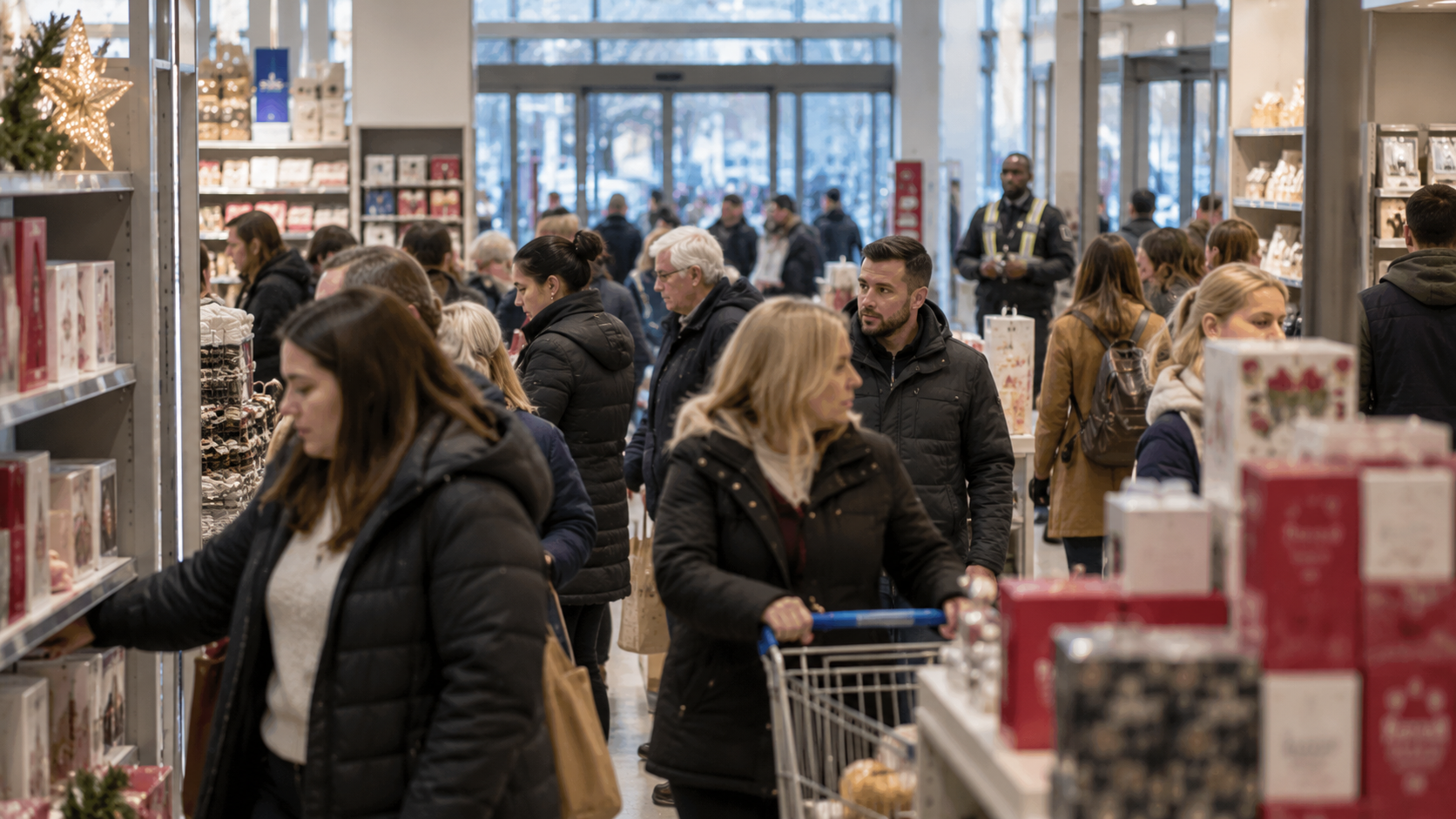
In Rochdale, this matters. Many incidents happen while stores are trading. Theft is rarely dramatic. It is quiet. It relies on distraction and gaps in attention. Cameras often record it. They rarely stop it. Local crime patterns show that opportunity plays a larger role than intent. Easy access, limited staff, and predictable layouts all increase risk. This affects small shops as much as larger chains.
Retail, construction, warehousing, and late-trading venues face different pressures. Retail sits in the middle. It deals with the public all day. That exposure cannot be locked away.
Shops face a variety of threats that are often invisible until losses appear. Small thefts, repeat offenders, and customer disputes can accumulate, impacting profits and staff. Retail security helps businesses respond to these challenges.
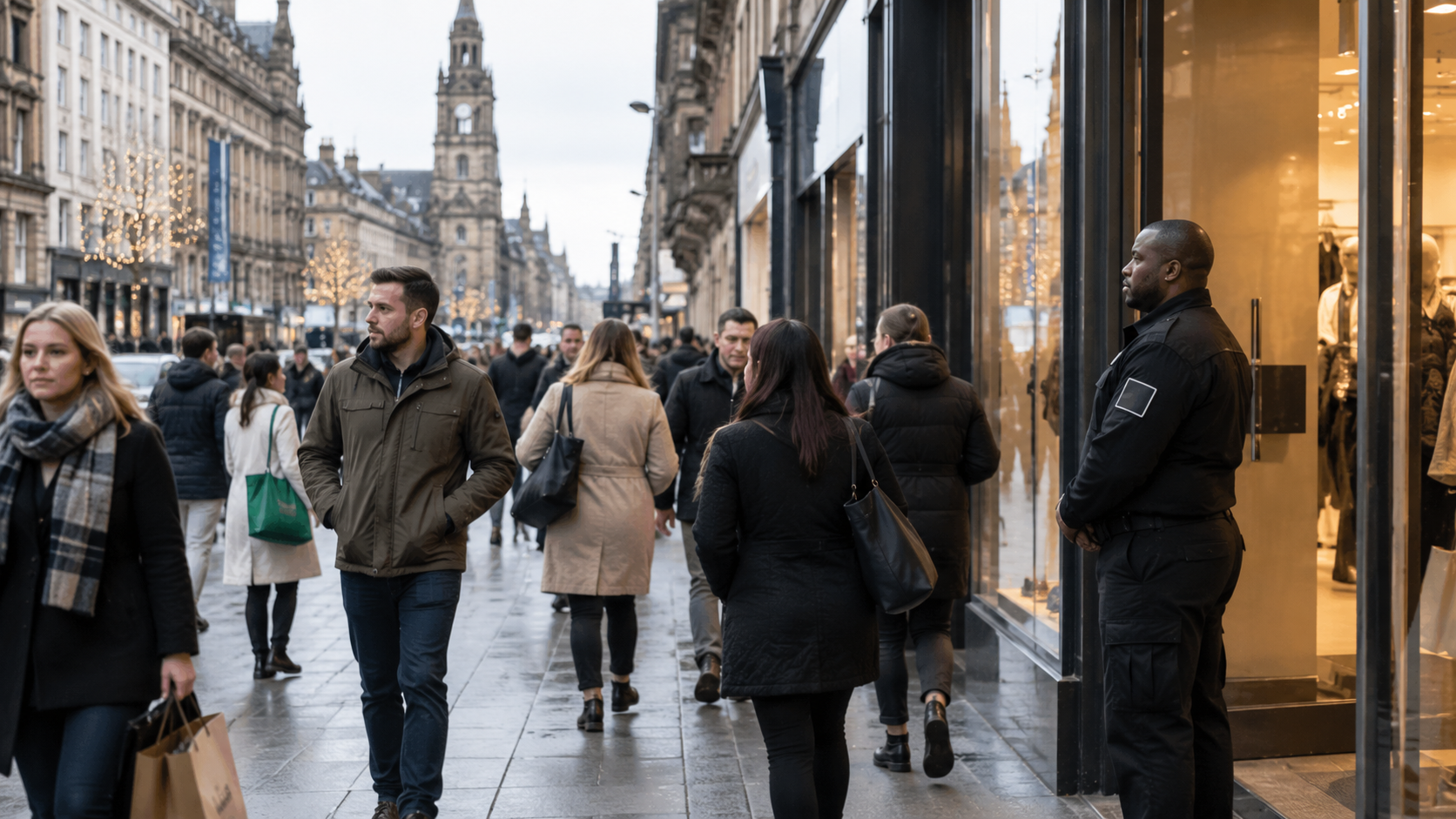
Location plays a crucial role in determining risk. Stores near bus and tram stops see higher transient footfall. This creates more opportunities for theft. Busy market streets or high streets attract occasional organised shoplifters. This helps those who take advantage of crowded environments. Retail parks with many entrances and shared parking also present unique challenges. Guards in and around Rochdale check access points and maintain visibility.
The type of retail also affects security requirements. Convenience stores, pharmacies, and electronics shops often carry high-value items in small quantities. These stores enjoy a combination of customer interaction and strategic placement of personnel. Fashion retailers may face frequent low-value theft across many items. This requires guards to focus on monitoring customer flow and spotting suspicious patterns.
Another critical consideration is staff support. Guards provide employees with confidence who might otherwise feel exposed. When staff know a trained professional is present, they can handle challenging situations.
This is why Rochdale businesses need Retail Security? It should be dynamic. Static measures alone cannot prevent opportunistic theft or respond to incidents. It includes a visible and active presence. Guards can adapt their focus according to changing footfall or sudden events. It covers promotions or delivery arrivals. This proactive approach reduces risk while maintaining a welcoming environment for genuine customers.
What are the peak crime hours for businesses needing retail security in Rochdale?
Most retail crime in Rochdale happens in daylight. Early afternoon through early evening sees the highest activity. Stores are busy. Staff are stretched. Supervision is uneven.
This window often includes deliveries, shift changes, and customer peaks. It creates opportunity. Theft during these hours is usually of low value per incident. The damage comes from repetition.
Late evenings present fewer incidents but higher impact. Fewer witnesses. Less support nearby. When issues arise, they escalate faster.
Late mornings can also be vulnerable, particularly for convenience stores and high-volume supermarkets. Delivery times, cash handling, and initial stock placement can draw staff attention. Even short distractions are enough for theft to occur unnoticed.
For retail managers, the security planning must reflect these patterns. Allocating guards during the highest-risk hours reduces losses and the incidents escalating. It covers CCTV and staff awareness. Flexibility in coverage is crucial. It is because static schedules may fail to protect during unpredictable peaks.
Seasonal variations also play a role. During holidays or promotional sales, peak crime hours can extend or shift. Stores may experience heightened activity early in the morning or the evening.
How has rising retail theft in Rochdale increased demand for daytime retail security?
Retail theft in areas near Rochdale has become more open. Many offenders no longer hide what they are doing. They rely on staff hesitation and a lack of authority.
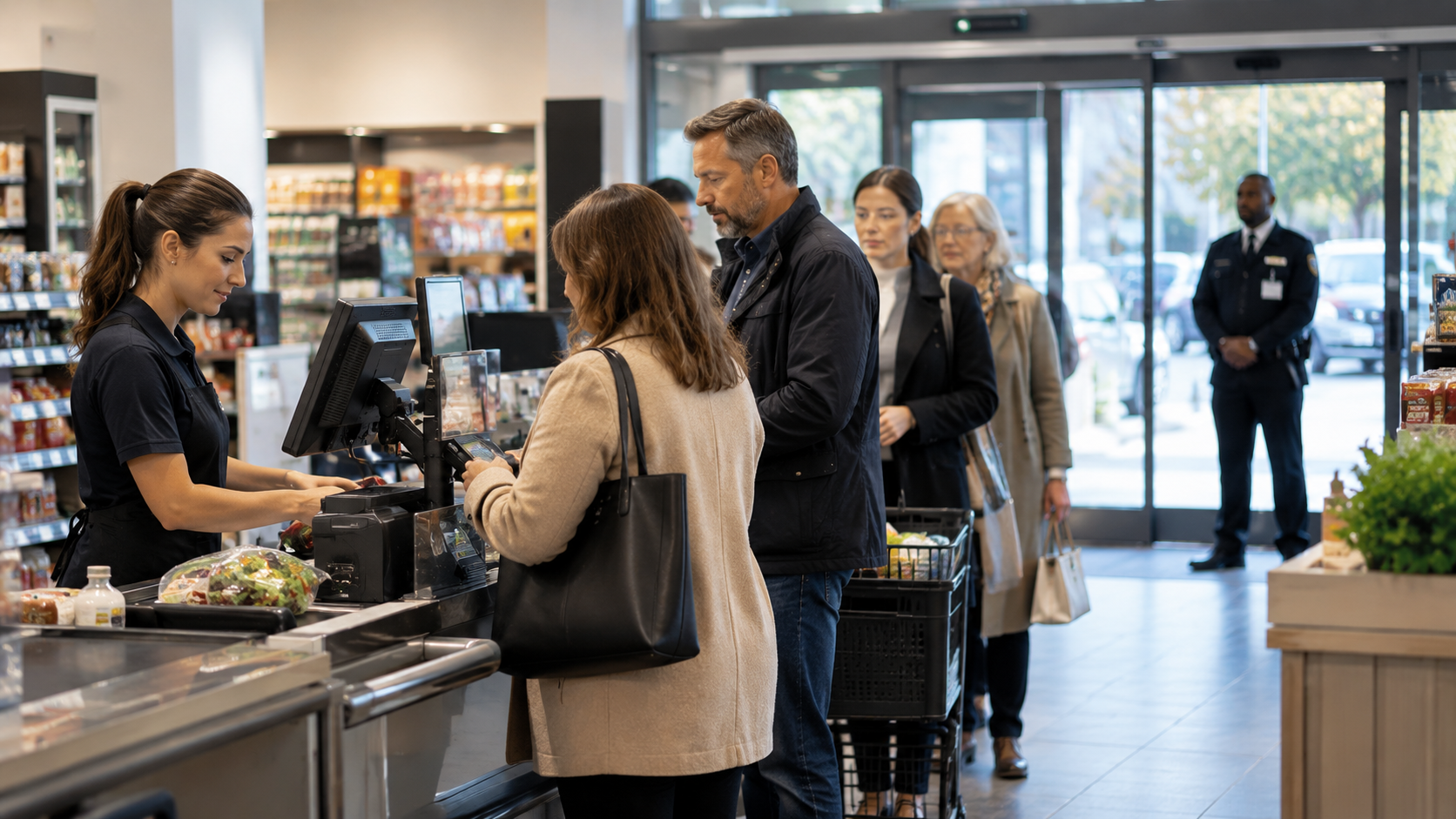
Daytime retail security addresses this directly. A visible presence reduces uncertainty. It shows that someone is watching and will act.
Retail security services in Rochdale are now requested during normal trading hours. Businesses want support when customers are present, not after the fact.
What are the differences between day and night retail security risks?
Daytime and nighttime retail risks differ not in frequency, but in nature. During the day, stores deal with people-related incidents. Shoplifting, accidental damage, or customer-staff disputes are common. Offenders often rely on crowds, distraction, or predictable staff routines. Guards must focus on observation, engagement, and rapid decision-making. This prevents these incidents from escalating.
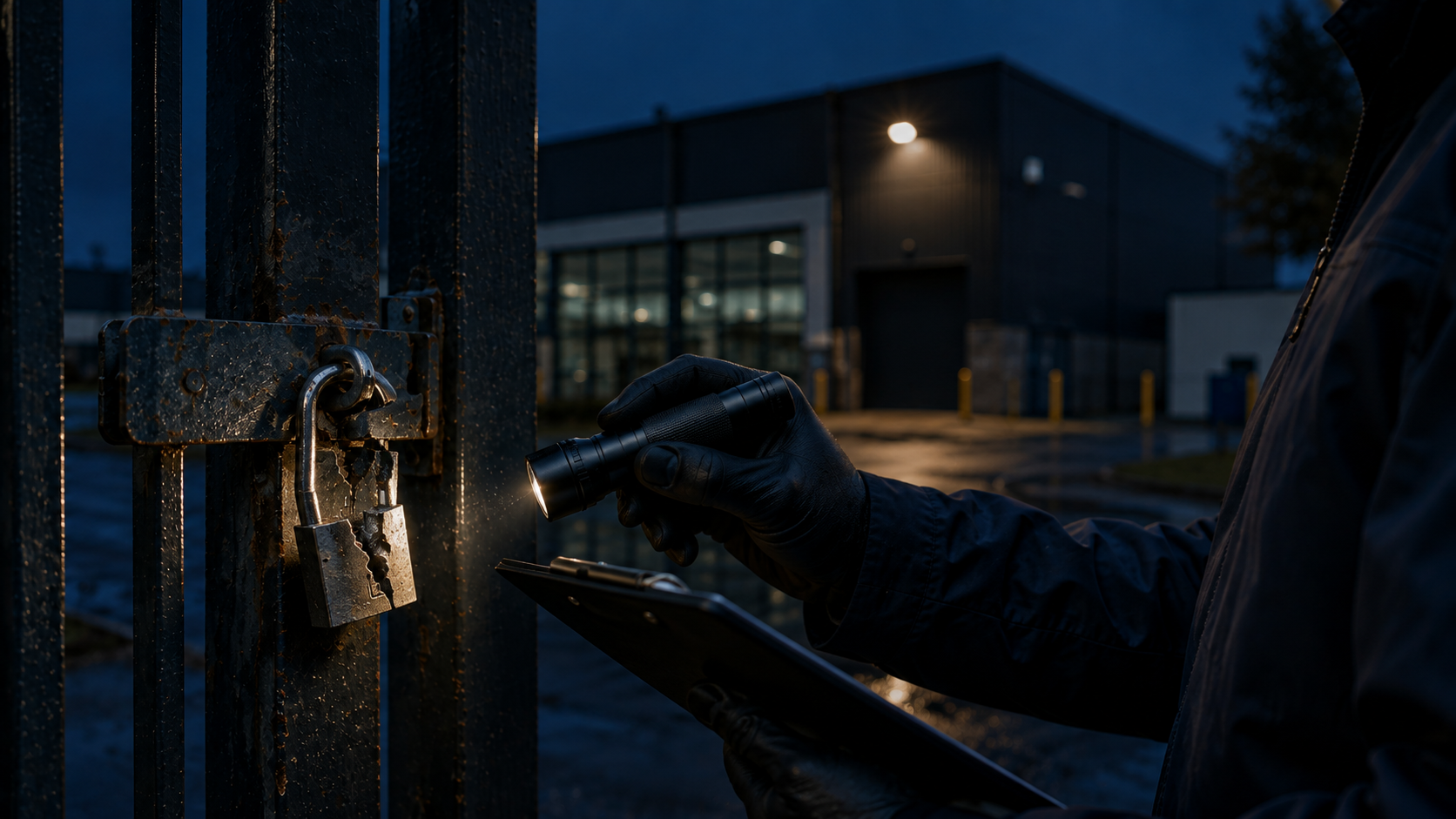
By contrast, nighttime risks are more property-focused. Stores are empty, lighting is lower, and visibility is reduced. The most common threats include break-ins, vandalism, and unauthorised entry. Offenders at night may use forced entry, target high-value items, or exploit security. Those are harder to overcome during the day.
The level of urgency also differs. During the day, guards intervene immediately to maintain safety and protect stock. At night, detection systems often trigger, and a response may involve alarm monitoring.
Other factors, like weather, seasonal variations, or local events, can shift these patterns. For example, extended daylight in summer may prolong daytime risk. At the same time, winter darkness increases nighttime vulnerability.
Recognising these distinctions allows businesses to deploy resources effectively. It includes staffing levels, patrol frequency, and technology for the specific risks.
How do economic factors in Rochdale influence retail security demand?
When costs rise, tolerance for loss falls. Small thefts matter more. Staff feel pressure. Tension increases.
Economic strain often leads to more opportunistic theft. It also reduces patience among customers. This combination increases incidents.
Retail crime prevention in Greater Manchester increasingly focuses on prevention rather than recovery. Retail security becomes part of protecting thin margins, not a luxury add-on.
Legal and Compliance Requirements
Retail security operates under strict rules. These rules protect the public and the business using the service.
Anyone performing licensable security work must hold a valid SIA licence. This confirms training and suitability. Using unlicensed guards exposes retailers to fines and legal risk.
BS 7858 vetting sets standards for background checks. DBS screening supports this, especially in public-facing roles.
Retailers are not expected to manage this process. They are expected to verify it. Failing to do so shifts responsibility back onto the business.
Martyn’s Law will add further expectations. While focused on public safety, it affects how busy retail spaces plan and document risk. Rochdale venues with high footfall should already be thinking ahead.
How do VAT rules apply to retail security in the UK?
Retail security services are VAT-rated. VAT-registered businesses can usually reclaim this. Others must absorb it. Comparing quotes without VAT leads to false savings. Total cost matters more than hourly figures.
What documentation proves a security firm’s compliance history?
Clear records matter. Licensing. Insurance. Training standards. Data protection policies.
These documents protect the retailer in the event of something going wrong. Without them, responsibility becomes unclear.
How do labour laws affect retail security overtime payments?
UK law limits working hours and requires rest periods. Excessive overtime can reduce alertness and increase mistakes. Retailers should see sustainable rostering as a quality signal. But not as an internal staffing issue.
How do Greater Manchester Police collaborate with private retail security firms?
Police rely on accurate reporting. A reliable security company in Rochdale understands when and how to escalate incidents. Consistent reports help identify repeat offenders. This benefits individual shops and wider retail areas across Rochdale.
Costs, Contracts, and Deployment in Rochdale
Retail security costs vary by location and hours. Town-centre sites in Bolton and Rochdale usually cost more due to footfall and incident levels. Suburban shops may need fewer hours but still face risk.
Low pricing often hides problems. Inconsistent cover. Poor reporting. High turnover. Contracts should match risk, not habit. Short-term cover suits seasonal peaks. Longer contracts support stability.
How long does it take to hire and deploy a retail security team in Rochdale?
Single-site cover can often start quickly. Larger deployments take longer to plan. Rushed decisions increase risk. Early planning gives better outcomes.
What are common contract lengths for retail security in Rochdale?
Six and twelve-month agreements are common. They allow review without constant change. Longer terms support continuity, which improves awareness and consistency.
How does retail security support business insurance premium reductions?
Insurers look for evidence. Visible presence. Incident logs. Clear procedures. While savings vary, strong security often leads to smoother claims and fewer disputes.
How does the Procurement Act 2023 affect public sector retail security contracts in Rochdale?
Public sector environments must show transparency and value. Private retailers often follow similar standards to show good governance. This approach supports long-term risk planning.
Training, Daily Operations, and Guard Duties
Training sets expectations. Daily routines deliver results. Retail security training focuses on lawful action, communication, and awareness. Its value shows during routine incidents, not emergencies.
What does a retail security guard do immediately upon starting a shift in Rochdale?
The shift begins with context. What happened earlier? What to watch for today. This shapes decisions for the entire shift.
Reviewing incident reports tends to make a guard shift more familiar with security. It includes the current layout and any temporary changes. Retail environments are dynamic. Displays, doors open, and deliveries can create obstacles. Noticing these changes immediately allows guards to identify potential issues before they occur.
They also observe the staff and customer flow. New staff or temporary employees may be less familiar with procedures. This creates small gaps that could be a disadvantage. Guards act as an extra layer of oversight. It guides attention to potential weak spots.
During busy hours, they may adjust their patrol route depending on customer density. For example, entrances and checkouts are higher-risk during peak footfall. This happens when back-of-store areas may be vulnerable during stock replenishment.
Some guards also perform a quick equipment check. It covers ensuring radios, alarms, or personal protective devices are operational. This preparation ensures that if an incident arises, they can respond immediately.
Starting the shift with a clear plan sets adequate security coverage for the day. It includes situational awareness and a mental note of high-risk areas.
What is the first thing a security guard checks when arriving at a Rochdale site?
Upon arrival, guards focus on physical security points first. Doors, windows, and any gates are examined for tampering or forced entry. Locks are checked for internal doors, stockrooms or sensitive areas.
Lighting is another priority. Adequate illumination affects both visibility and deterrence. Dark corners or entrances can become vulnerable spots for opportunistic theft or vandalism. Guards also check for hazards. It covers wet floors, loose cables, or obstructed fire exits.
They may also scan for unusual activity outside the premises. It includes loiterers, suspicious vehicles, or repeated pedestrian traffic. Early detection of patterns can prevent incidents before they occur.
Checking alarms, CCTV monitors, and communication equipment follows. Guards verify that systems are functioning. They also check if it is ready to alert them to incidents or breaches.
Finally, they make a mental note of temporary changes. It covers delivery schedules, construction near the site, or seasonal displays. These small factors influence how they check the premises during the shift. The initial check is about awareness and proactive planning.
What fire safety checks are a priority for retail security on duty?
Fire safety is both a legal obligation and a practical concern. Guards first ensure that exit routes are clear. Blocked exits, stacked stock, or promotional displays can slow evacuation in an emergency.
They also check fire alarm systems. This includes confirming alarms are active, unblocked, and free from damage. Fire extinguishers and other suppression equipment are inspected. Guards verify that lights function in corridors, stairwells, and other evacuation routes. These lights are essential during power failures or low visibility situations.
Other critical checks include identifying flammable materials. It may be placed near heat sources. That includes electrical panels, cooking equipment, or lighting fixtures. Guards also ensure that staff know basic evacuation procedures. And the assembly points are clearly marked.
Finally, any temporary changes, like storage rearrangements or seasonal decorations, are checked. Small obstacles can pose a significant risk during emergencies. Retail security in and around Rochdale helps to identify these risks early. This is why Rochdale businesses need Retail Security. It includes combining observation with compliance to maintain both staff and customer safety.
How frequently do guards report to supervisors during Rochdale night shifts?
Regular updates maintain accountability. They also provide a clear record of events. Reporting frequency is determined by risk level and site complexity. High-value retail stores or large sites need hourly updates. At the same time, smaller locations may need fewer formal reports. But it needs to maintain constant situational awareness.
Reports are not only about incidents. Guards update supervisors on patrol completion, unusual observations, and temporary security concerns. It can be malfunctioning doors, lighting, or surveillance cameras. These routine check-ins create a clear record for management and insurers.
During critical periods, such as post-delivery hours or late-night cleaning, reporting may increase. Supervisors use these updates to divide resources. It helps to coordinate with the police if necessary and adjust patrol strategies.
Emergency reporting protocols exist alongside routine updates. Guards must contact supervisors immediately for alarms, fire, or intrusion incidents. Regular communication reduces response times and ensures incidents are consistently handled.
Even during quiet hours, these reports maintain accountability and continuity. They also help identify patterns of risk over time. It covers recurring suspicious activity, and preventive measures can be taken in advance.
What post-patrol documentation do retail security complete hourly?
Observations. Incidents. Anything unusual. This supports review and learning, not paperwork for its own sake.
How do shift patterns work for 24/7 retail security coverage?
Handovers matter. Information must carry over. Continuity protects both people and property.
Performance, Risks, and Staffing Challenges
Performance should be measured. Measuring performance in retail security focuses on results rather than presence. Effective reporting, incident reduction, and proactive prevention are more critical than counting patrols.
Risks vary by site. High-footfall areas face repeated minor incidents. In comparison, low-traffic sites may experience occasional high-severity events. Guards must adjust strategies.
Staffing challenges are often operational rather than internal. Continuity matters. Regular guards familiar with the store layout and risk patterns respond faster. Inconsistent coverage increases vulnerability.
External factors affect both performance and risk exposure. It includes weather, local events, and seasonal shopping patterns. For instance, heavy rainfall may reduce footfall but increase the likelihood of theft. This happens during brief high-traffic windows.
Guard health and alertness are critical. Fatigue reduces observation ability and decision-making quality. Providers must plan shifts that balance coverage and alertness.
KPIs for retailers include incident reduction, reporting accuracy, and adherence to patrol schedules. These metrics help businesses understand the return on security investment. It also helps support planning for seasonal or unexpected risk spikes.
What KPIs should businesses track for retail security performance?
Complex metrics often hide problems. Key Performance Indicators (KPIs) give retailers insights. This helps to know how well their security measures are working. Beyond counting incidents, KPIs should focus on prevention, response, and reporting quality.
One useful KPI is the time taken to respond to an incident. Fast intervention can stop theft, reduce damage, and protect staff and customers. Tracking response times over weeks or months helps identify patterns. This, in turn, highlights areas for improvement.
Another important KPI is incident reporting accuracy. Guards should record details, including location, type of incident, and any witnesses. Accurate reports support insurance claims, assist police investigations, and inform future risk planning.
Retailers can also measure deterrence effectiveness. This involves assessing whether visible security presence reduces theft attempts or aggressive behaviour. Surveys of staff and customer perception can provide indirect evidence of effectiveness.
Other valuable metrics include patrol completion rates, shift coverage adherence, and equipment checks. Consistency in these areas reduces vulnerability and ensures operational standards.
Tracking KPIs helps to focus on outcomes rather than mere activity. Businesses gain a practical view of security effectiveness. These indicators help decision-makers justify spending, plan improvements, and adapt to evolving risks.
How does weather in Rochdale affect retail security effectiveness?
Bad weather changes behaviour. People linger indoors. Tension rises. Security plans should adapt to this reality.
What health impacts of long shifts on retail security performance?
Fatigue affects judgment. Tired guards miss details. Retailers should value alertness over coverage volume.
What strategies are Rochdale firms using to retain retail security amid labour shortages?
Many Rochdale firms focus on predictable schedules and clear role expectations. Some rotate assignments to avoid monotony. Others offer small incentives for consistency, like recognition or flexible shifts.
Familiarity with the store layout and team reduces mistakes. It builds confidence and ensures guards respond to incidents without constant supervision.
Technology and Future Trends in Rochdale Retail Security
Technology supports people. It does not replace them. CCTV works best when paired with on-site response. AI tools help identify patterns. Remote monitoring supports escalation.
Drones have limited use in dense retail areas but may support retail parks. Predictive tools help businesses plan rather than react. Martyn’s Law will formalise expectations. Retailers who plan early will adapt more easily.
Conclusion: Why Rochdale Businesses Need Retail Security
Retail security in Rochdale is no longer about rare events. It addresses everyday risks that damage profit, morale, and confidence.
Understanding why Rochdale businesses need retail security requires an understanding of certain features. It covers looking at local behaviour, legal responsibility, and financial exposure together. The aim is not to cut risk. It is to manage it responsibly.
Businesses that take time to plan security place themselves in a stronger position. This helps companies to trade with confidence.
Frequently Asked Questions
Is retail security needed for small Rochdale shops?
Risk depends on location and exposure, not size. Even a single guard can stop opportunistic theft and improve staff confidence.
Does visible security affect customers negatively?
When done well, it often reassures. Customers often notice a calm, professional presence as reassuring rather than intimidating.
Are SIA-licensed retail security guards required?
Yes, for licensable work. They provide assurance that the guard meets national standards.
Can CCTV replace guards?
No. CCTV records. They cannot de-escalate conflicts or respond to unexpected behaviour in real time.
How fast can security be deployed?
Often within days for standard sites. Emergency situations may need flexible scheduling to cover many shifts.
Do insurers expect retail security?
Yes, they value evidence of active monitoring, not equipment or policies.
Are most thefts daytime incidents?
Often, yes. Yet nighttime break-ins and vandalism, though less frequent, can result in higher losses.
Will Martyn’s Law affect retail shops?
It will influence planning for busy venues. It may also need more formal documentation of risk assessments and staff readiness.