Retail in Southport moves to a different rhythm than many town centres. Trade swells and eases with the seasons, shaped by visitors, events, and day-trippers who change the pace of shops almost overnight. That flow brings opportunity, but it also creates pressure points. Busy afternoons, crowded weekends, and unfamiliar faces make it easier for small losses to repeat quietly, often without drawing attention at the time. Over weeks, those gaps add up.
This is where retail security earns its place, not as a barrier or a show of force, but as practical support woven into daily trading. A visible, trained presence helps staff stay focused on customers, keeps behaviour from drifting, and spots patterns before they settle in. Across the wider North West, towns with strong visitor footfall face similar challenges, but local response still matters. Understanding why Southport businesses need Retail Security starts with how the town actually trades, day by day.
Retail Security Basics in Southport
What retail security means in a customer-facing town
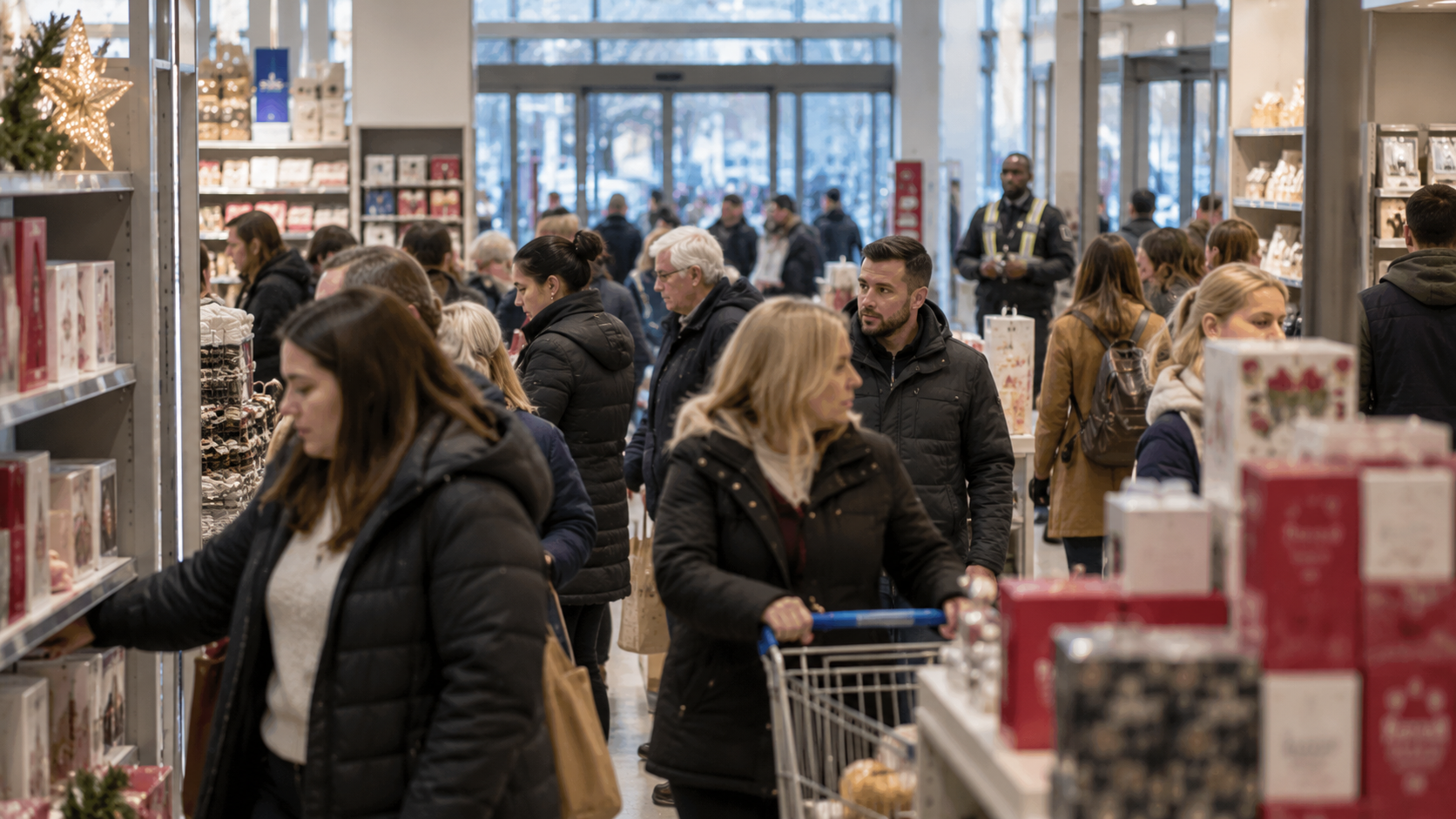
Retail security in Southport is part of everyday trading. It is not built around barriers or locked points. It sits inside the space where customers move, browse, and talk. Unlike static guarding, which stays in one place, or remote monitoring that relies on screens, retail security works in real time. Guards stay visible and approachable. They watch how people move and how the mood of the space changes.
The aim is not to stop everyone or question every action. It is important to notice early signs that something is off. A change in routine. A pattern that repeats, a moment when attention drops. This same approach is used in other busy retail towns, such as Bury, where open shopping areas and steady footfall create similar pressures. A steady presence helps staff stay focused on customers. It also reassures shoppers and quietly reduces the chances for those who look to take advantage of busy moments.
How Southport’s retail mix shapes security needs
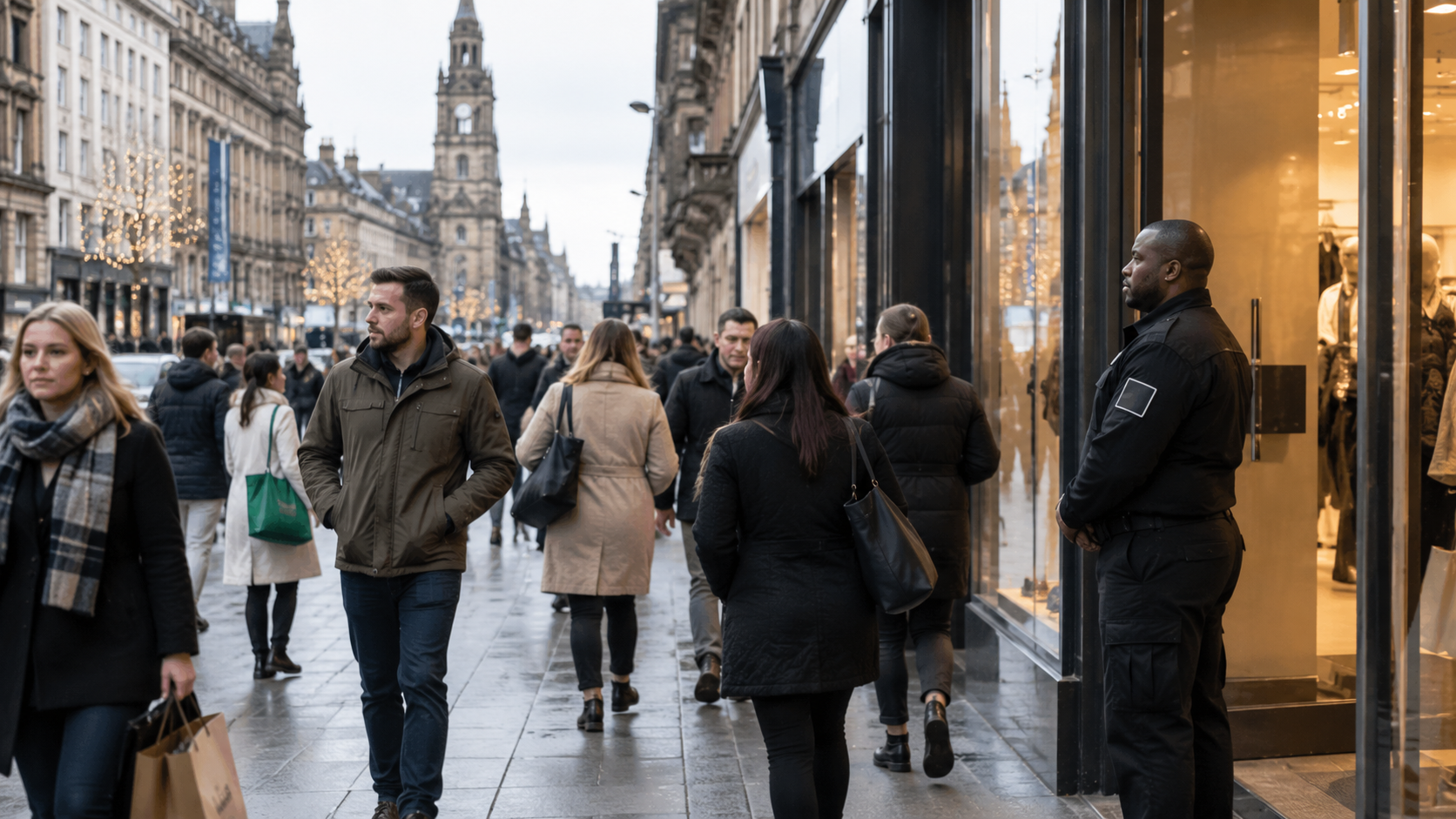
Southport’s retail environment is varied and rarely uniform. High-street stores experience continuous footfall and open access throughout the day. Arcades and leisure-focused retail draw families, groups, and visitors who may be unfamiliar with store layouts or local routines. Seasonal pop-ups and kiosks introduce temporary setups, often staffed by people who are new to the site and still learning its risks. Each format brings different pressures, which means retail security has to adapt to how stock is displayed, how customers circulate, and how staff teams operate, rather than relying on a single fixed approach.
Retail crime patterns affecting Southport businesses
Losses in retail settings are usually gradual rather than dramatic. Opportunistic theft often occurs when stores are busy, and staff attention is divided. According to Merseyside Police data, the most recent figures record four incidents of shoplifting and theft within the relevant reporting period.
Repeat offenders learn trading patterns and return when they know supervision is likely to be lighter. Low-level anti-social behaviour can also take hold if it goes unchallenged, slowly changing how a shop feels for staff and customers alike. Retail security plays a preventative role here by identifying these patterns early and addressing them before they become accepted or harder to control.
Peak risk hours for Southport retailers
Risk in retail does not stay the same all day; It moves with people. When shops are busy in the daytime, crowds make it harder to see everything at once. Small thefts are easier to hide, especially when staff are serving customers. Late afternoon adds more strain. School-age visitors, commuters, and deliveries often overlap, pulling attention in different directions. Evenings bring a quieter floor but different risks. Staff focus shifts to closing tasks, cash handling, and locking up, which can leave short gaps if no one is watching the space closely. Retail security works best when it adjusts to these changes instead of treating every hour as equal.
Seasonal pressure and visitor-driven risk
Trading in Southport changes with the season. School holidays and event weekends bring more visitors and less routine. Shops fill faster. Teams change more often. Temporary staff step in and learn on the job. These shifts stretch normal habits and create small openings that repeat if they go unnoticed. Similar patterns appear across the wider North West in towns that rely on visitors. Locally, the difference is timing. When pressure is recognised early, and retail security is in place before routines loosen, minor gaps are less likely to grow into regular loss.
Legal and Compliance Requirements for Retail Security
Licensing standards that apply to retail security officers
Retail security in Southport starts with the right licence in place. Any guard working on the shop floor must hold a valid SIA licence that matches what they actually do day to day. This is more than paperwork. It shows the guard has been trained, checked, and approved to work in a public setting where customers are present.
Retail roles often involve talking to people, responding to incidents, and working closely with store teams. Because of this, a licence meant for static or closed sites may not be suitable. The role needs to match the environment.
Across the wider North West, including areas near St Helens, licence checks are common and expected. Businesses are usually asked to prove compliance before an issue arises, not after. Making these checks part of the hiring process helps retailers avoid disruption later and keeps security aligned with legal expectations from the start.
Risks businesses face when using unlicensed retail security
Using unlicensed security can create problems that go beyond day-to-day cover. If checks reveal non-compliance, fines can follow with little warning. Insurance is another risk. Many policies may not respond fully if an incident involves a guard who is not correctly licensed.
Responsibility can also fall back on the business owner when staff or customers are affected. This often happens at the worst time, after a theft, an injury, or a dispute, when attention is already focused on what went wrong. In those moments, gaps in licensing are hard to explain and harder to fix. Making sure security is properly licensed from the start helps avoid these pressures and keeps responsibility clear when incidents occur.
Background checks expected in retail security roles
Retail security relies on trust. Guards work near staff, stock, and customers every day. Because of this, checks must be clear and consistent.
BS 7858 screening looks at work history. It helps confirm that a guard has been honest about past roles. DBS checks are used to flag records that may matter in a retail setting. Right-to-work checks are also required. These links directly to licensing and must be kept up to date.
Problems often start when checks vary between sites. A store in Birkenhead should follow the same process as any other location. Using the same checks everywhere keeps standards steady. It also reduces risk during inspections or after an incident. When vetting is done early and properly, retailers avoid gaps that are hard to explain later.
Data protection duties linked to retail security operations
Retail security often works with CCTV. Guards may watch screens during a shift or review footage after an incident. When this happens, data rules apply. Images of people count as personal data and must be handled with care.
Footage should only be used for security reasons. Access must be limited to those who need it. Records should not be shared or kept longer than necessary. These duties come from GDPR and apply even when systems are managed by an outside provider.
Retailers remain responsible for how data is used. Passing CCTV to a third party does not pass on accountability. Clear rules, simple training, and basic controls help reduce mistakes. When data is handled properly, security supports the store without creating new risks for the business or its customers.
Public safety responsibilities and Martyn’s Law considerations
Retail spaces are publicly accessible by nature, which brings additional safety expectations. Martyn’s Law is set to raise standards around preparedness and response in places open to the public. For retailers, this means clearer procedures, better-trained staff, and security teams who understand crowd behaviour during busy periods or events.
Working with local authorities and police services
Effective retail security does not operate in isolation. Many businesses engage with local retail crime partnerships and follow agreed incident reporting processes. This cooperation supports faster response, better intelligence sharing, and clearer expectations during investigations, helping retailers manage risk more consistently across busy trading periods.
Costs, Contracts, and Retail Security Deployment
How security costs vary across Southport retail locations
Retail security costs in Southport depend on how a store trades and how the space is set out. High-street shops often need a steady presence for long opening hours. Smaller shopping parades usually focus on busy parts of the day, when footfall rises, and staff numbers are tighter.
The layout of the store also plays a part. Open doors, wide floors, and shared walkways need more attention than compact units with controlled access. These details affect how guards move and where they spend time.
Costs change again when comparing one store with several. A single outlet can shape a cover around its own routine. Multi-site retailers often share supervision and reports across locations. Over time, this can help keep costs steady without cutting back on protection.
Factors that influence day-to-day retail security pricing
Retail security pricing is shaped by everyday choices; pay rates are one part of it. Licensed guards with the right training cost more, and that cost cannot be avoided.
Trading hours matter as well. Longer days and split shifts add hours, even if the number of guards stays the same. Stores that stay busy into the evening often feel this first.
How guards are used also affects the price. When security is visible and customer-facing, retailers tend to look for people who can speak clearly and stay calm. That means more training and higher skill levels. In retail areas near Liverpool, this approach is common. The same thinking applies when planning budgets locally, where the goal is to protect the store without changing how it feels to customers.
Contract models commonly used for retail security services
Retail security contracts are usually built for flexibility. Short-term or rolling agreements allow businesses to adjust cover as trading conditions change. This is useful for stores that see clear seasonal swings or host temporary promotions.
Seasonal scaling clauses are common. They make it easier to increase cover during busy periods and reduce it when footfall drops, without renegotiating the entire agreement. For retailers with ties across areas like Wirral, consistent contract structures also help keep standards aligned between locations.
How quickly can retail security be put in place
Deployment speed depends on preparation. Urgent cover can often be arranged quickly when a security company in Southport already understand the site, its layout, and its trading hours. Planned deployments take longer, as they involve site familiarisation, briefing, and coordination with store teams.
Retailers who review their needs ahead of peak periods usually see smoother mobilisation. Clear instructions, agreed shift times, and defined responsibilities reduce delays and help guards integrate into daily operations from the first shift.
The relationship between retail security and insurance risk
Insurers look closely at how risk is managed on the shop floor. When retail security is in place, claims are often reviewed in the context of visible prevention, incident logs, and response procedures. This can support a clearer narrative after an incident.
Security presence also feeds into wider risk profiling. Regular patrols, consistent reporting, and documented procedures show that a business takes loss prevention seriously. Over time, this can strengthen a retailer’s position when discussing terms, especially for stores operating across different trading environments.
Training, Daily Operations, and Retail Guard Duties
Training focus areas for customer-facing retail guards
Retail guards in Southport work around people all day; their training reflects that. The role is less about gates or barriers and more about how they speak, stand, and move on the shop floor. Guards learn to stay visible without getting in the way. Clear and calm communication with staff and shoppers is part of everyday work, especially when stores are busy.
Avoiding conflict is just as important. Guards are taught to notice tension early and respond in a steady way. This often means slowing things down rather than stepping in too fast. Theft awareness also plays a role. Training focuses on behaviour, not guesswork. Guards learn to notice repeated visits, distraction attempts, or sudden changes in movement, while still letting genuine customers shop without pressure.
How retail security teams begin each shift
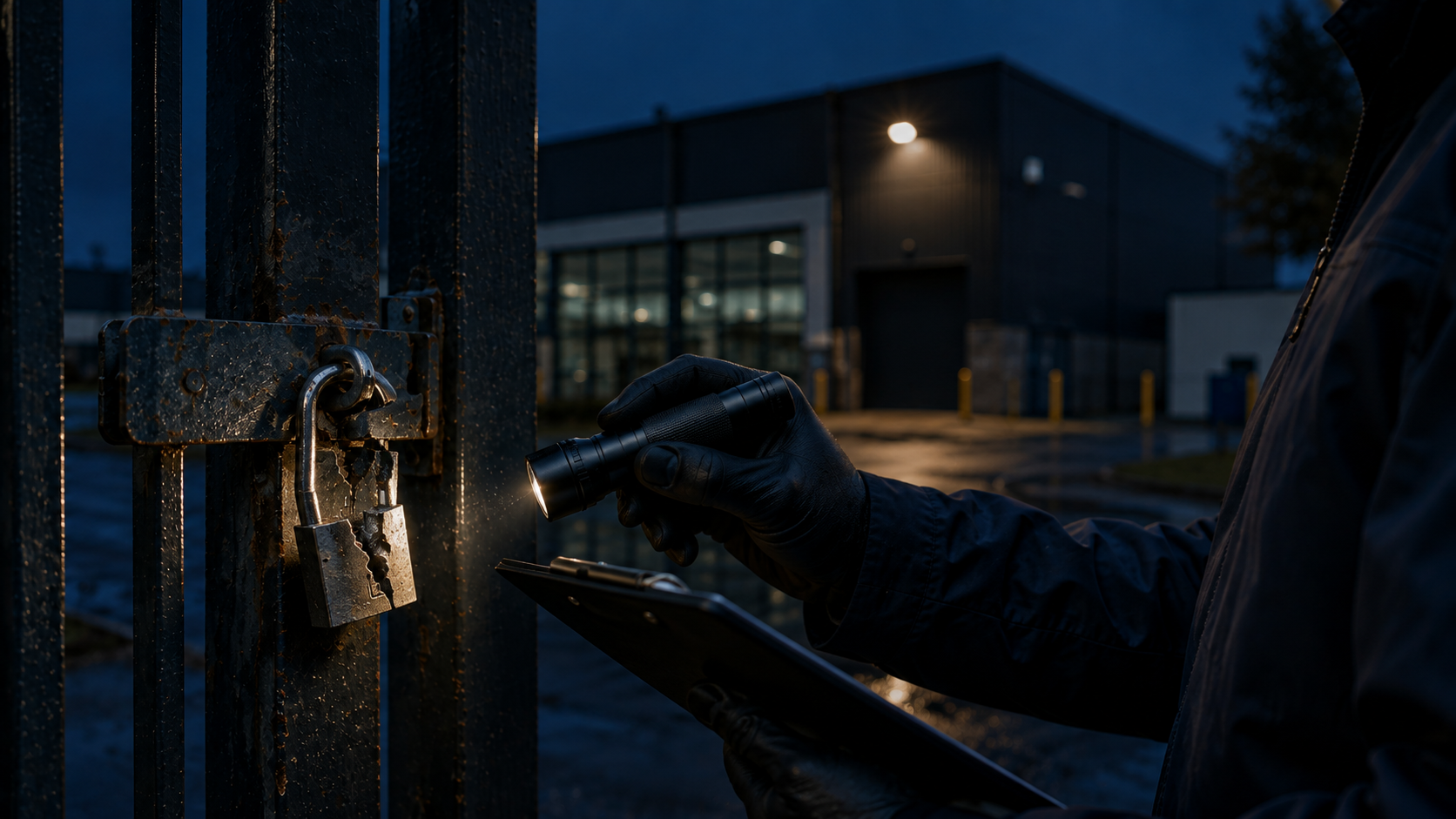
A retail guard’s shift starts with understanding the space as it stands that day. The initial walk-through checks entrances, stock areas, and customer flow routes to spot anything out of place. Access points are verified to ensure doors, shutters, and staff-only areas are secured as planned.
Briefings and handover notes are reviewed carefully. These logs highlight incidents from earlier shifts, known concerns, or changes in layout. In stores with links to wider retail operations near Liverpool, this consistency helps maintain standards across locations without relying on memory alone.
Maintaining an effective presence across the shop floor
During trading hours, presence matters more than movement. Guards position themselves where they can see and be seen, adjusting as footfall changes. Blind spots and quieter corners receive extra attention, particularly when staff numbers drop or deliveries arrive.
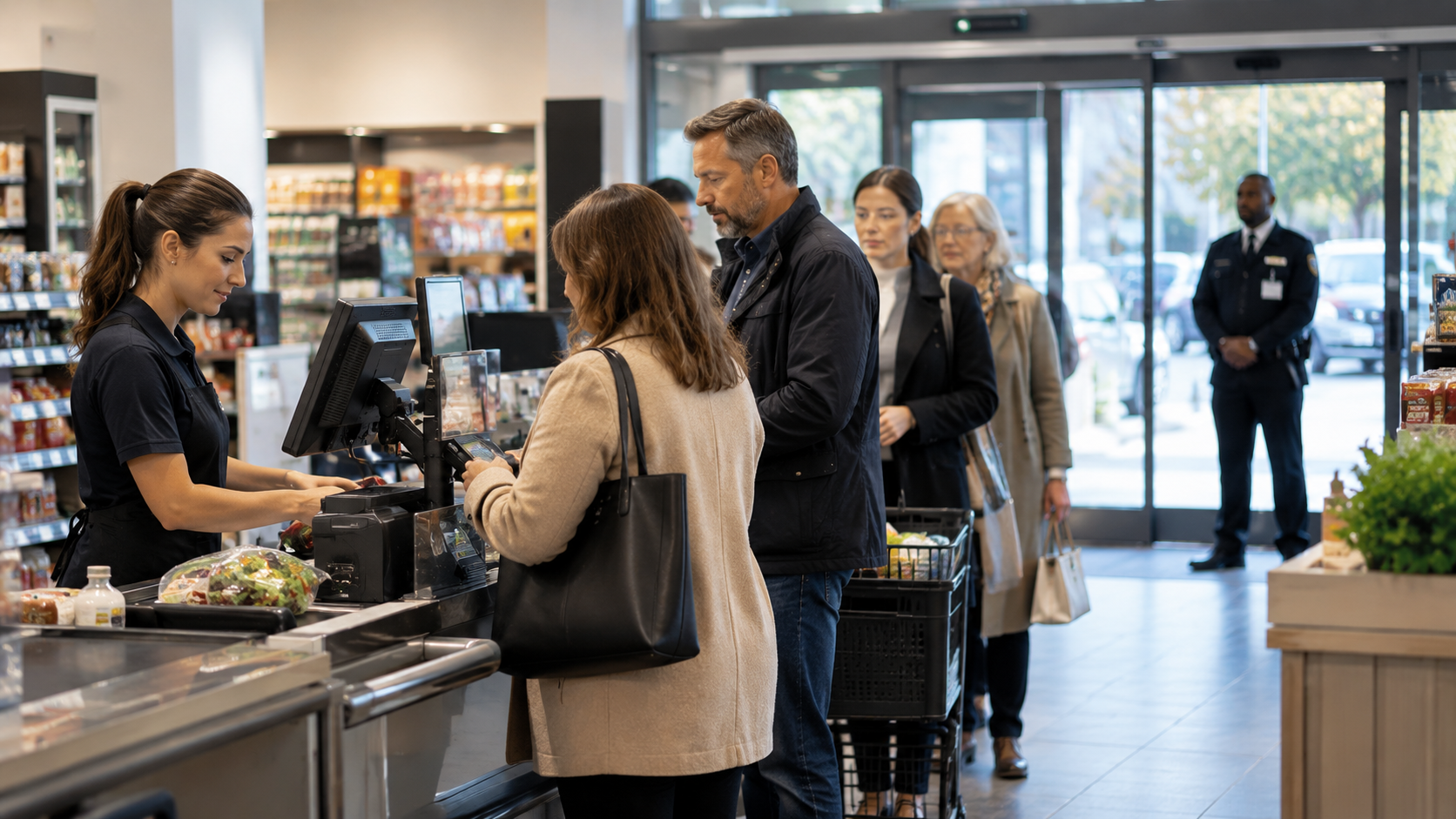
Entrance and exit areas are managed with awareness rather than control. Guards observe customer flow, watch for distraction attempts, and remain accessible to staff who may need support. This balance helps retail security work as part of the store, not around it.
Responding to incidents while stores are open
When incidents occur, the response is measured. Guards aim to resolve issues without drawing unnecessary attention or disrupting trade. Discretion protects both customers and staff, especially in minor disputes or suspected theft.
Evidence preservation is handled carefully. Observations are recorded accurately, and CCTV processes are followed where relevant. Coordination with store staff ensures everyone understands their role, which reduces confusion during busy periods. This approach is common across retail sites operating throughout the North West, where public-facing environments demand calm handling.
Closing routines and secure-down responsibilities
At the end of the day, focus shifts to secure-down tasks. Stock rooms and storage areas are checked to confirm they are locked and orderly. Guards often support cash handling by maintaining visibility nearby while tills are closed.
Alarm systems are confirmed before departure, and final notes are logged to support the next shift. These routines create continuity, ensuring that each trading day ends with clear oversight and begins the next without unanswered questions.
Performance, Risks, and Staffing Challenges in Retail Security
Performance indicators retailers should monitor
Measuring retail security performance in Southport is less about headline numbers and more about steady patterns. Incident reduction is one of the clearest indicators, especially when reviewed over time rather than week by week. A gradual fall in repeat theft or anti-social behaviour usually signals that routines are working.
Staff confidence is another key measure. When shop teams feel supported, they report issues earlier and follow procedures more consistently. Customer experience also matters. Effective retail security should reduce disruption without changing the tone of the store. Fewer complaints, calmer interactions, and smoother trading hours all point to security working as intended.
How shift patterns influence guard performance
Guard performance shifts with the trading day. Daytime cover often centres on visibility and customer interaction, while evening hours bring close-down routines and reduced staffing. These differences affect alertness and workload in distinct ways.
Rotations help balance this pressure. By varying shifts, retailers reduce fatigue and avoid placing the same demands on the same individuals. This approach is widely used in retail areas closer to St Helens, where longer opening hours require consistent performance across the day rather than peaks of effort followed by drop-off.
Staffing pressures unique to retail security roles
Retail guarding places constant demands on communication and patience. Guards remain in public view for long periods, managing questions, concerns, and occasional confrontations. Over time, this public-facing pressure can affect morale if not recognised and managed.
Seasonal turnover adds another layer. Short-term staffing changes during busy periods can interrupt continuity and increase training demands. Retailers that plan and maintain clear procedures tend to manage these transitions more smoothly, even when staffing levels fluctuate.
Environmental conditions affecting retail security delivery
Environmental factors shape how retail security operates. Coastal trading locations bring exposure to weather changes that influence footfall and patrol patterns. Wind, rain, and colder conditions can alter how customers move and where risks appear.
Outdoor or semi-open retail spaces also require different oversight. Guards adjust positioning and timing to maintain visibility without unnecessary movement. Similar challenges appear in retail settings across areas such as Wirral, where open layouts demand flexible coverage rather than fixed routines.
Technology and Future Trends in Retail Security
Technology as support, not replacement
In retail settings, technology works best when it strengthens human presence rather than replacing it. Guards remain the centre of decision-making, reading behaviour, tone, and movement in ways systems cannot. Technology supports this work by filling gaps, extending awareness, and reducing reaction time. In busy stores across Southport, this balance helps security stay practical. Systems handle visibility and alerts, while guards handle judgment, conversation, and response. When the two are aligned, security feels part of the store rather than an added layer sitting outside daily trade.
CCTV integration in retail environments
CCTV remains a core tool in retail security, but its value depends on how it is used. Live monitoring allows guards to respond quickly when something looks out of place, especially during busy trading hours. Recorded footage supports evidence capture after incidents, helping clarify timelines and reduce disputes.
For retailers operating sites beyond one town, such as those with links to Liverpool, consistent CCTV procedures also improve reporting quality. Guards who understand where cameras sit and how footage is handled can act with confidence and accuracy during incidents.
AI analytics and theft pattern recognition
AI tools are increasingly used to highlight patterns that may be missed during a single shift. These systems look for repeated behaviour, unusual movement paths, or timing patterns linked to past incidents. The goal is not instant action, but informed awareness.
When used carefully, analytics help guards focus attention where it is most needed. Over time, this supports earlier intervention and reduces reliance on guesswork. Retailers benefit most when insights are reviewed alongside guard reports, rather than treated as standalone conclusions.
Remote monitoring support for retail guards
Remote monitoring gives retail guards extra support without taking them off the shop floor. The guard stays present in the store while systems provide alerts and simple check-ins in the background. This helps most during quiet periods or when one officer is covering the site alone.
In semi-open layouts or late shifts, support is not always close by. Remote monitoring helps fill that gap. If something feels off, help can be reached quickly without leaving the floor unattended. The guard keeps control of the space while knowing support is there if needed.
Across the North West, many retailers use this approach to match security to real risk. It strengthens coverage where it matters, without adding staff just for the sake of numbers.
Preparing retail security for Martyn’s Law
Martyn’s Law is likely to change how publicly accessible places think about readiness, and retail will be part of that shift. The focus moves away from plans that sit on paper and toward habits that sit in people’s heads.
For retail security teams, this means training that explains who does what, who speaks to whom, and what happens first when something feels wrong. Guards need clarity, not complexity. They need to know where to stand, who to contact, and how to act without waiting for permission.
Over time, readiness becomes routine. It shows up in briefings, in quiet checks, and in how teams move through a normal trading day. Retailers who start adjusting early usually find that nothing dramatic changes all at once. Instead, confidence builds steadily, and security becomes something staff trust rather than something they hope they never need.
Conclusion
Retail security in Southport is about protecting how the town actually trades. Losses rarely arrive all at once. They build quietly when footfall rises, routines stretch, and familiar faces mix with unfamiliar ones. Public-facing shops feel this first. A steady presence on the shop floor helps prevent small issues from becoming habits and allows staff to focus on customers instead of watching for risk.
This pattern is not limited to one place. Retailers in other parts of the North West see the same pressures during busy trading periods. In towns such as Stockport, the difference is often not the risk itself, but how early it is managed and how well security fits into daily work.
Understanding why Southport businesses need Retail Security comes down to practical clarity. Roles are understood. Presence is visible. Expectations are steady. When security is planned and proportionate, it supports trade rather than disrupting it. For business owners, the choice is less about adding protection and more about safeguarding confidence, continuity, and long-term stability.
Frequently Asked Questions
Why do Southport businesses need Retail Security more during peak seasons?
Retail trade in Southport changes quickly during busy periods. School holidays, event weekends, and warmer months bring higher footfall and unfamiliar visitors. These conditions make it easier for small losses to repeat without notice. Retail security helps manage these pressure points by adding visible support when routines are stretched and staff attention is divided.
Is retail security legally required for shops in Southport?
Retail security is not mandatory for every shop, but legal duties still apply. Businesses must protect staff and customers and operate safely in public spaces. When security is used, guards must be correctly licensed and deployed lawfully. Many retailers choose security because it helps them meet wider safety and insurance expectations.
How does retail security reduce theft without harming customer experience?
Retail security focuses on presence rather than confrontation. Guards stay visible, observant, and approachable. This discourages theft while allowing customers to shop comfortably. When issues arise, trained guards handle them discreetly, which protects the store’s atmosphere instead of disrupting it.
What qualifications should retail guards in Southport hold?
Retail guards in Southport must hold the correct SIA licence for the work they do. This licence shows they are allowed to work in public spaces and have met basic training standards.
Most guards also receive training for retail settings. This covers how to speak with customers, how to calm situations, and how to spot theft without making assumptions. Background checks are part of the process as well. Right-to-work checks and screening help make sure guards can be trusted around staff, stock, and the public.
How quickly can retail security be deployed for a Southport store?
Deployment speed depends on planning. Urgent cover can often be arranged quickly if the site is straightforward. Planned deployments take longer, as they include site familiarisation and briefings. Retailers who prepare ahead of busy periods usually experience smoother and faster mobilisation.
Does retail security lower insurance risk for local businesses?
Retail security can support insurance discussions by showing that risk is actively managed. Incident logs, visible prevention, and clear procedures help insurers understand how losses are controlled. While it does not guarantee lower premiums, it can strengthen a retailer’s overall risk profile.
How is retail security different from general manned guarding?
Retail security is customer-facing and behaviour-focused. Guards work within open trading spaces and balance safety with service. General manned guarding often concentrates on restricted access, perimeter control, or closed sites. The skills and daily duties differ as a result.
What future laws will affect retail security in Southport?
Upcoming public safety legislation, including Martyn’s Law, is expected to affect places open to the public. For retailers, this may increase expectations around preparedness, training, and response planning. Retail security teams are likely to play a larger role in meeting these standards as they develop.