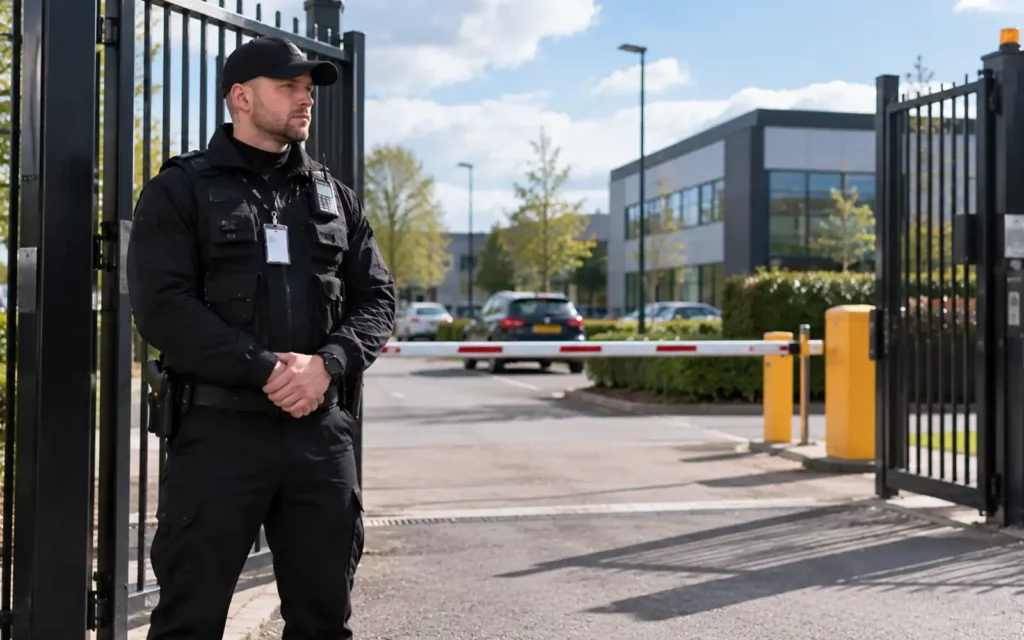
For many businesses in Sutton Coldfield, risk can rise after staff and customers leave. Rear doors, loading areas, open gates and dark parts of a site may need extra care. A clear closing routine can help staff spot and fix these risks before the business is left empty.
Why Are Businesses More Vulnerable After Hours?
Knowing what makes business premises vulnerable at night can help owners spot weak points before they cause trouble. Once a business closes, there are fewer people around to notice odd activity. This can make it easier for someone to enter, cause damage or take goods.
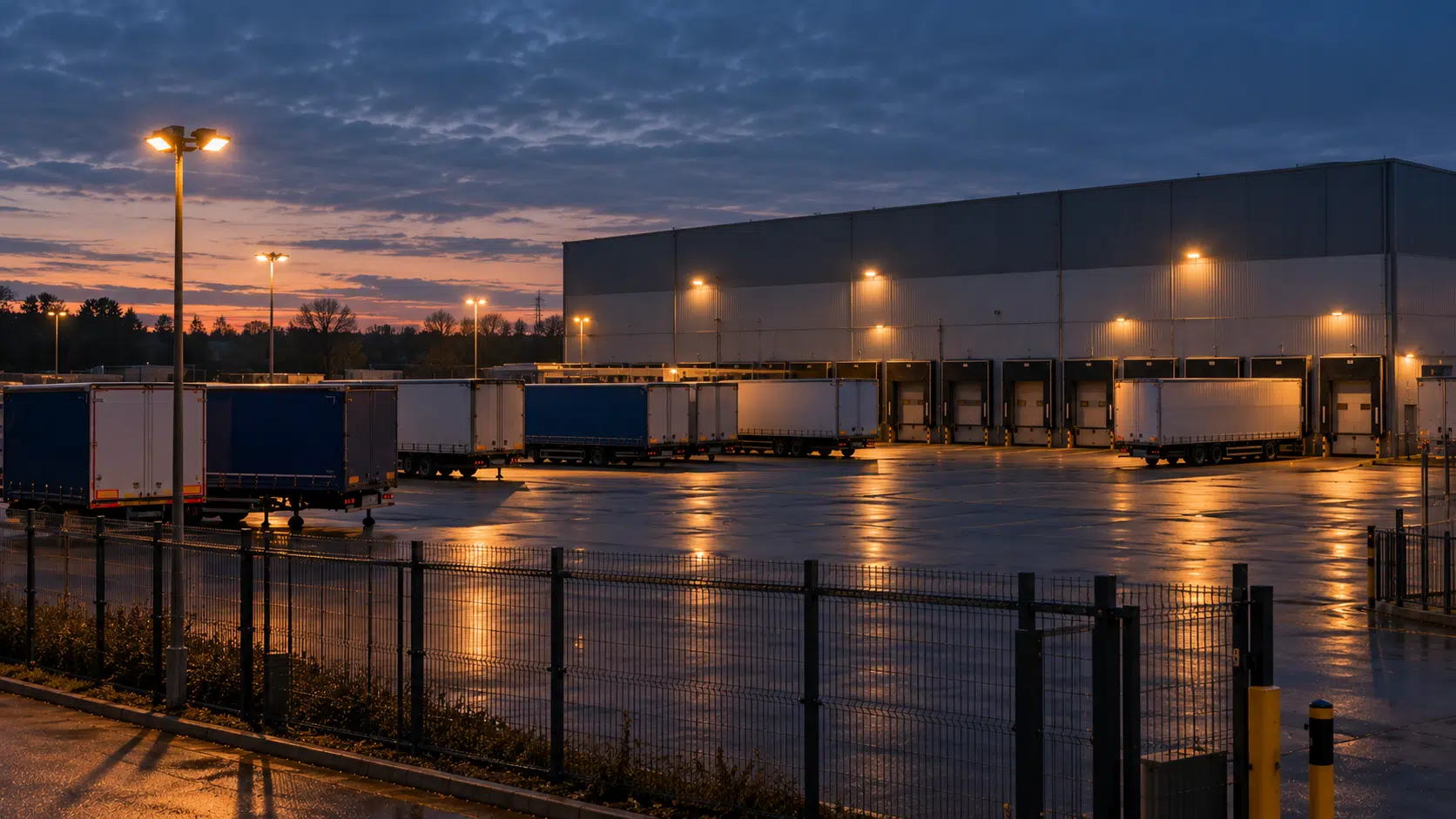
Dark areas can also hide people from view. Rear doors, loading areas, gates and parts of the perimeter may be less easy to see after dark.
A set closing time can add another risk. If people know when a site is empty each day, they may have more time to act without being seen. Doors, gates and other access points can also be left without checks
What Types of After-Hours Crime Can Affect Businesses?
The most common after-hours business security risks include the following. Such as break-ins, theft, vandalism and trespassing. A closed site may also face damage to doors, gates or other entry points. For businesses with cars, vans or other vehicles on site, there may also be a risk of vehicle-related incidents.
Not every site faces the same risks. The type of business, layout and location can all affect what may happen after closing. Knowing the weak points can help businesses plan ways to prevent overnight business crime.
Simple steps can make a difference in safety. Make sure to check doors and gates before leaving. Keep valuable items secure and make sure dark or hidden areas are easy to see. CCTV and alarms can also help to spot unusual activities. They also act as another layer of protection.
How Can Businesses Identify Vulnerable Areas on Their Premises?
The best way to identify security weaknesses at business premises is to check the site when it is quiet and dark. Walk around the outside and look at each part of the building. Are the doors easy to see? Are any paths or corners too dark? Can someone reach a gate without being noticed?
Pay extra care to risk zones. These may include rear doors, loading bays, delivery areas and parts of the outer fence. The current article also points to places where CCTV may not give a clear view.
Check gates and side doors as well. Look for broken locks, open gaps or items that block the view. Write down anything that feels weak.
A short check after dark can show problems that staff may not spot during the day. Fixing these weak points early can make the site less easy to target.
How to Prevent After-Hours Crime in Sutton Coldfield?
Learning how to prevent business break-ins after hours starts with a few simple checks. The goal is to make the site harder to enter and easier to watch when no one is there.
Improve External Lighting
Good lighting can help remove dark spots around the site. Focus on doors, gates, loading areas and paths around the building. Clear views can make it harder for someone to approach unseen.
Secure Doors, Windows and Gates
Check that all doors and windows close and lock well before staff leave. Do the same with side gates and other entry points. Pay close attention to rear doors and less-used access points, as these may be easier to overlook.
Protect Valuable Stock and Equipment
Do not leave high-value goods in plain view. Move stock, tools and equipment to a secure place where possible. This can make the site less tempting and limit losses if someone does get inside.
Use Visible Deterrents
CCTV and alarms can add another layer of protection to manned guarding. Make sure cameras cover key areas and are not blocked by signs, vehicles or other objects. Alarms can also alert people to unwanted entry.
No single measure works for every site. Using several simple steps together can help reduce weak points and make a business less attractive to intruders.
Does Security Lighting Help Reduce After-Hours Crime?
Yes, good lighting can be part of how to protect commercial property after hours. It can help people see entrances, paths and other key areas more clearly. This may make it harder for someone to stay hidden while approaching a site.
Lights should cover main entrances, rear areas, loading zones and routes along the perimeter. Dark corners and places hidden by walls or other structures should also be checked. The aim is not to light every part of the site, but to remove areas where someone could approach without being seen.
Lighting is only one part of site security. It works best alongside secure doors and gates, CCTV, alarms and regular checks. A simple review after dark can help show where extra lighting may be needed.
How Can Businesses Secure Their Premises When They Are Closed?
A clear closing routine can help secure business premises when closed. Before leaving, staff should check every door and window and make sure gates and restricted areas are locked. Any stock, tools or other valuable items should be put away and kept out of easy view.
Alarms and monitoring systems should be switched on where used. It is also worth checking that CCTV is working and that cameras have a clear view of key areas. Exterior lights should be checked too, especially around doors, gates and other less visible parts of the site.
Staff should also review any unusual access or delivery plans before the premises are left empty. This can help avoid leaving an area open by mistake. The existing article also stresses the need to secure access points and use CCTV and alarms as part of protection after hours.
Is CCTV Enough To Protect a Business Overnight?
CCTV is useful at night, but it should not be the only thing in place. A camera may catch someone near a door or gate. The sight of a camera may also make them think twice.
Good lighting matters too. It helps keep key areas in view and gives cameras a better picture. Doors, windows and gates should be kept secure. An alarm can raise a warning when someone tries to get in. A quick check before closing can catch a door or gate that has been missed.
Taken together, these measures give a business more than one line of defence. CCTV, lights, secure entry points, alarms and good closing checks can work side by side. The current article also treats these measures as key parts of after-hours protection.
When Should a Business Consider Additional Protection After Hours?
Extra help may be worth a look after a break-in or other incident. It may also make sense for a business with costly stock, a large site or many ways in.
Some places are hard to watch at night. A big yard, several gates or a quiet building may need more than basic security.
Where these risks remain, a business could look at flexible guarding, 24/7 monitoring or a site-specific risk check. The best choice will depend on the building and how it is used. The current article also presents these options as ways to deal with after-hours risks.
A Simple After-Hours Crime Prevention Checklist for Businesses
Before closing for the day, a quick check can help spot issues early. Use this simple checklist:
- Lock all doors and windows.
- Close and secure gates and perimeter access.
- Put stock, tools and other valuable items away.
- Make sure CCTV is working and has a clear view.
- Turn on alarms and monitoring systems.
- Check that outside lights are working.
- Review any unusual access, visits or late deliveries.
These steps help staff leave the site in a safe state and reduce the chance of simple security gaps being left overnight. The existing article also stresses secure access points, CCTV, alarms and site checks as key parts of after-hours protection.
Conclusion
Preventing crime after hours starts with finding the weak points on your site. Good lights, strong doors and gates, CCTV and alarms can all help. A clear closing check is useful too. Now you understand how to prevent after-hours crime in Sutton Coldfield. You can walk around the site after dark to spot areas that may be easy to enter or hard to see. Finding these weak spots early gives you time to fix them and help keep the site safe when no one is there.