Police data also shows that crime levels can change from one part of Kidderminster to another. In June 2026, Kidderminster North recorded 35 crimes were recorded 138. The most reported offences were also different in each area.
This guide looks at the main business security risks, the security threats to local businesses, and the steps businesses can take to spot weak points.
What Do Local Crime Figures Tell Us About Kidderminster?
Crime figures help put local risk into context. They do not show that every business in an area faces the same threat. They also do not mean every recorded crime happened at a business.
Still, the figures can show useful local patterns.
Kidderminster North
West Mercia Police recorded 118 crimes in June 2026 in Kidderminster North.
The top reported categories were:
- 38 violence and sexual offences
- 24 anti-social behaviour
- 13 shoplifting
- 9 criminal damage and arson
The same area recorded 201 crimes in July 2025. By June 2026, the monthly figure was 118. Across the 12 months shown by the police, the area recorded 1,638 crimes in total.
That change shows why one month’s figure should not be treated as the full picture.
Kidderminster East
Kidderminster East recorded 138 crimes in June 2026.
The top categories were:
- 45 violence and sexual offences
- 29 vehicle crime
- 14 criminal damage and arson
- 14 other theft
The area recorded 64 crimes in February 2026, compared with 138 in June. Across the 12 months shown, it recorded 1,101 crimes.
The June figures also show a clear difference between the two areas. Shoplifting was among the top four categories in Kidderminster North, while vehicle crime ranked second in Kidderminster East.
For businesses, this matters because the security risks facing local businesses in Kidderminster may depend on the area around the premises as well as the type of business.
What Security Risks Are Facing Local Businesses in Kidderminster?
The security risks for businesses in Kidderminster can range from theft and shoplifting to criminal damage, vehicle crime and unwanted access.
A useful review should look at more than the front door. A site can have weak points around a rear gate, loading bay, side entrance, car park or storage area.
Theft and Shoplifting
Retail shops can lose goods in many ways. Shoplifting is one clear risk, but theft can also happen in stock rooms, loading areas and storage spaces.
A shop does not need to rely on one control. Useful steps can include:
- Clear views across sales areas
- Good lighting
- CCTV
- Secure stock rooms
- Staff checks
- Controlled access to back areas
- Clear steps for reporting theft
In Kidderminster North, police recorded 13 shoplifting offences in June 2026. Shoplifting was one of the four most reported crime types in that area that month.
Burglary and Unauthorised Access
Burglars may look for easy entry points. These are not always obvious.
Check:
- Rear doors
- Side doors
- Windows
- Loading doors
- Gates
- Roof access
- Fencing
- Areas hidden from view
A building may have a strong main door but still have a weak rear entrance. Keys and access cards also need care. Old keys, shared codes and unused passes can create problems. Access should be changed when staff leave or when roles change.
Vandalism and Criminal Damage
Broken windows, damaged doors, damaged signs, cut fences and damaged equipment can lead to repair costs and lost work time.
In Kidderminster North, police recorded 9 criminal damage and arson offences in June 2026. The risk is often higher where a property has poor lighting, hidden areas or weak boundaries.
Anti-Social Behaviour
Anti-social behaviour can affect staff, customers and nearby businesses.
It can include:
- Groups gathering near doors
- Threatening behaviour
- Verbal abuse
- Noise and disorder
- Damage to property
- Unwanted access
Kidderminster North recorded 24 anti-social behaviour offences in June 2026. That was the second most reported category in the area after violence and sexual offences.
Which Businesses May Face Different Security Challenges?
The security risks facing local businesses in Kidderminster can vary based on how a site is used.
Retail Businesses
Shops may face:
- Shoplifting
- Theft from stock rooms
- Customer disputes
- Damage
- Unwanted access
- Problems around closing time
Retail security may focus on sales areas, entrances, exits, stock rooms and staff areas. Good sight lines can help. So can clear staff roles and easy ways to report an incident.
Industrial Units and Warehouses
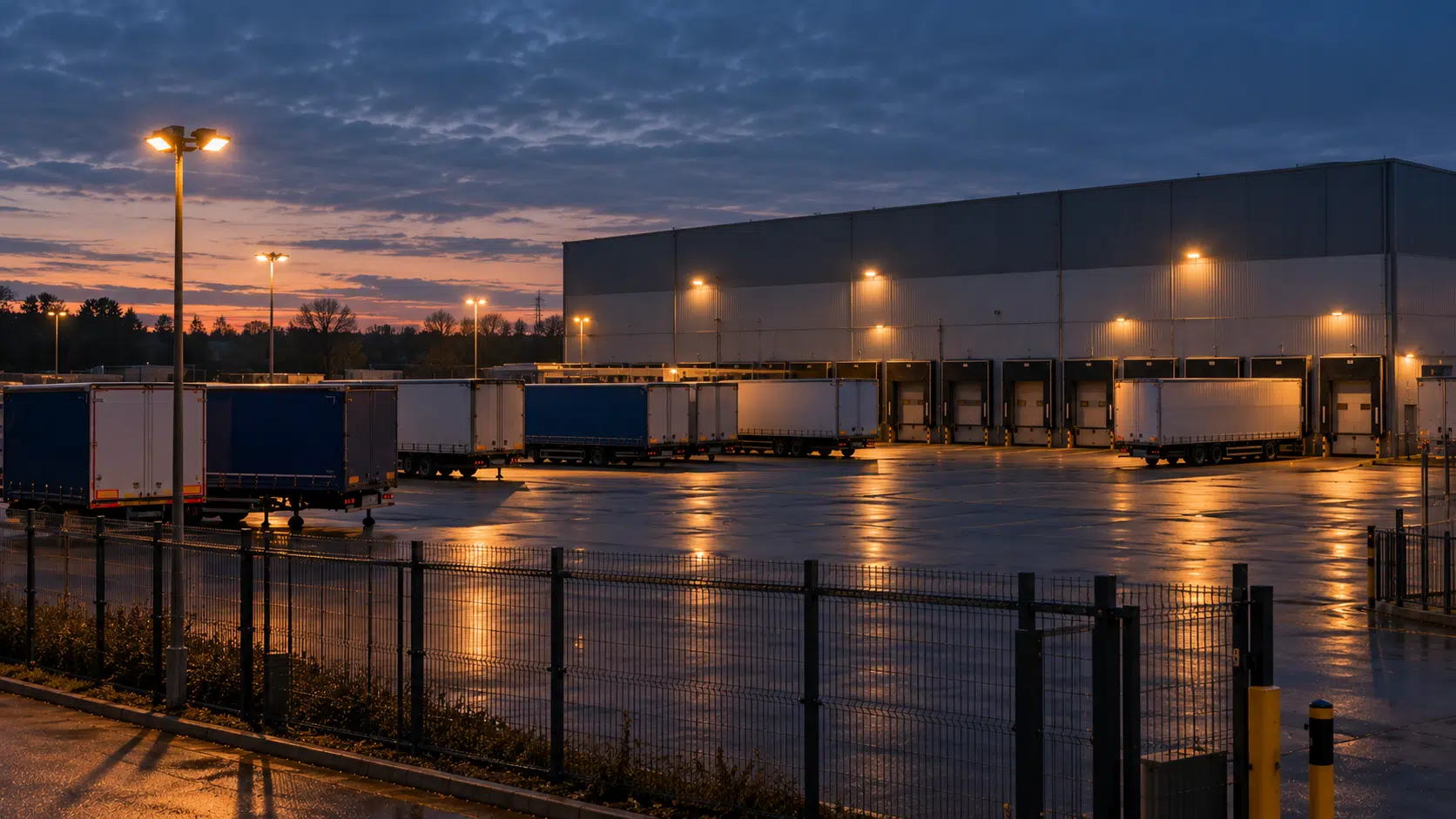
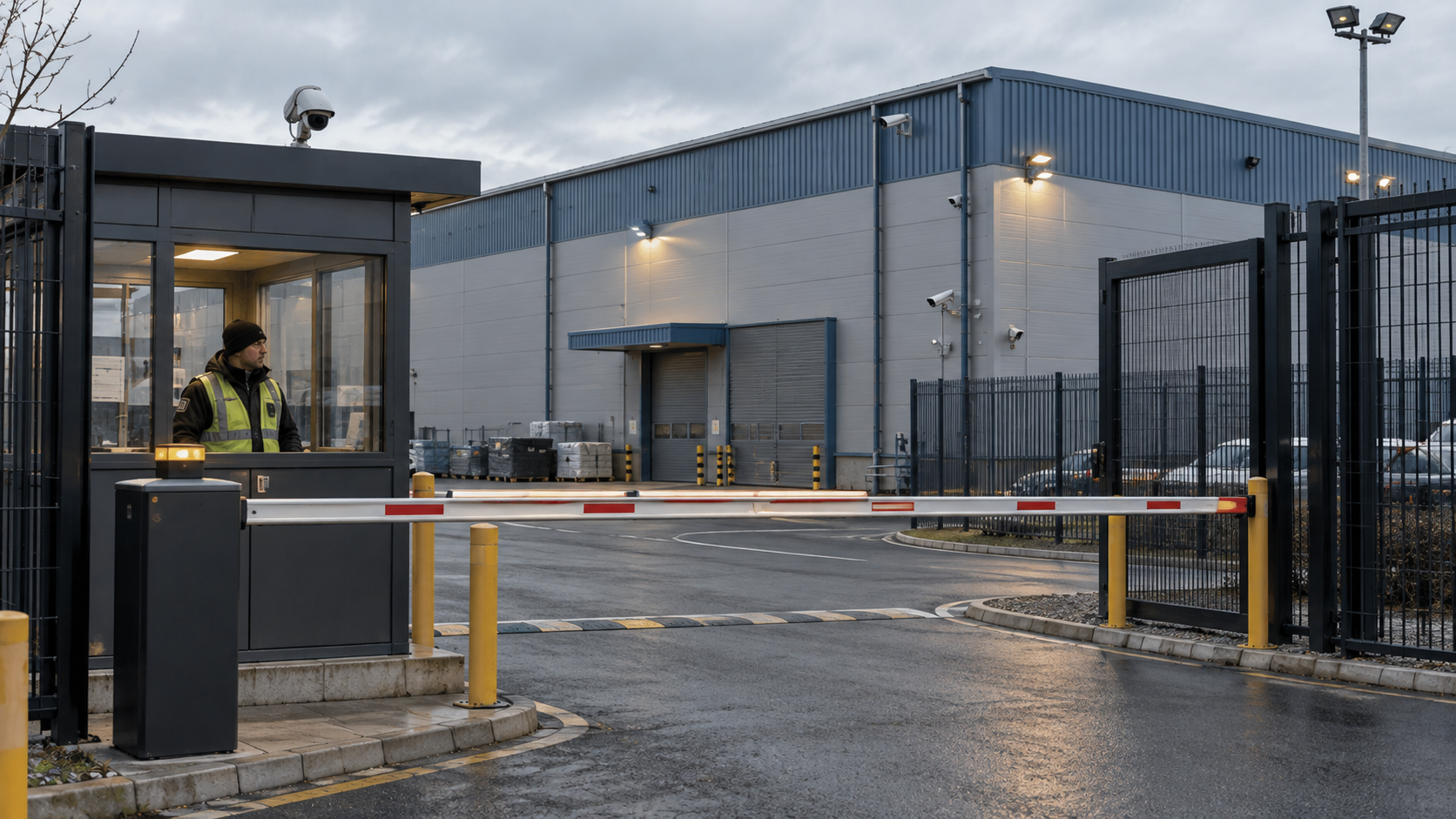
Industrial sites may have large yards and several access points. Common weak points include:
- Loading bays
- Vehicle gates
- Storage yards
- Side doors
- Large perimeters
- Equipment storage
- Poorly lit areas
A warehouse may also keep valuable stock, tools or machinery on site overnight.
Construction Sites
Construction sites can hold tools, plant, fuel, cable and materials.
This can create several risks:
- Theft of plant
- Theft of tools
- Theft of materials
- Trespassing
- Damage to fencing
- Unauthorised access
- Damage to unfinished work
Construction site security may focus on gates, fencing, storage areas, plant and access points. A site should also have a clear plan for reporting damage or signs of entry.
Offices and Commercial Buildings
Offices often have more people during the day and fewer people at night.
The main areas to check can include:
- Reception areas
- Staff-only rooms
- Side entrances
- Server or equipment rooms
- Meeting rooms
- Car parks
- Empty floors
Visitor control is also important. Visitors should know where they can go and who is responsible for them.
Vacant and Unoccupied Properties
Empty buildings can stay unchecked for many hours or days. That can make signs of damage easy to miss. A broken window, open door or damaged fence may not be seen at once. Regular checks can help find problems sooner.
What Measures Can Reduce Business Security Risks?
There is no single measure that suits every property. Business security risks are easier to manage when several controls support each other.
- Physical security: strong locks, doors, gates, fencing and shutters can make entry harder.
- Visibility and technology: good lighting, CCTV and alarms can help people spot and record unusual activity.
- People and access controls: staff checks, visitor rules, access cards, patrols and clear reporting steps can add another layer.
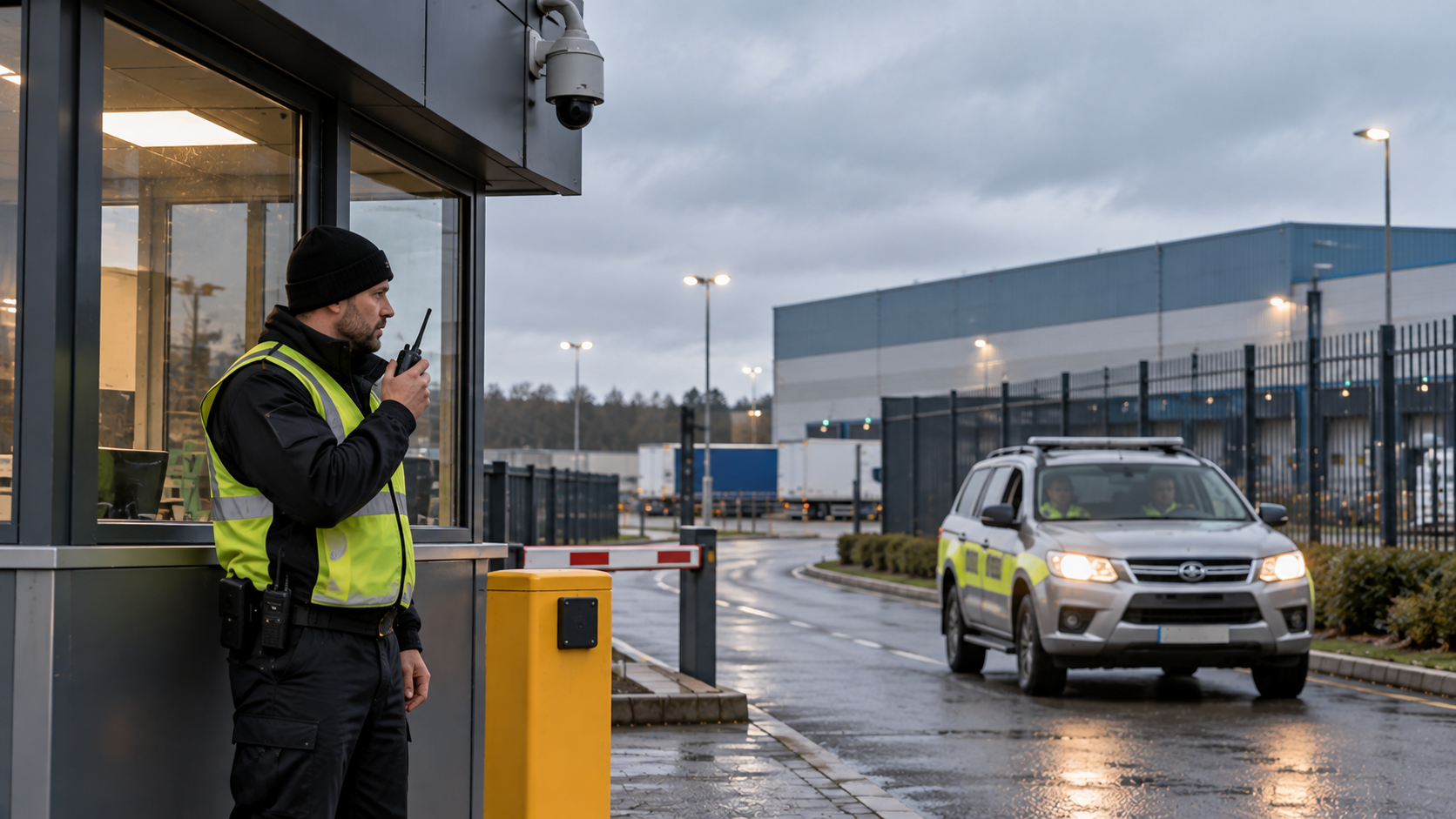
Manned guarding has a different role from CCTV or alarms. A guard can monitor an area, check access points, carry out patrols and record incidents.
When Might a Business Need a Security Guard?
A security guard may be useful where a site needs a person on the ground to carry out checks, watch an area, manage access or report incidents. The duties should be clear before the shift begins.
What Does a Security Guard Actually Do?
Depending on the site, duties can include:
- Checking doors and gates
- Monitoring entrances
- Patrolling the site
- Checking visitors
- Watching for unusual activity
- Recording incidents
- Reporting faults
- Following site procedures
- Escalating serious incidents
The work can be very different from one site to another. A retail guard may spend more time watching entrances and sales areas. A construction site may need checks around fencing, plant and storage areas.
Common Mistakes Businesses Make When Assessing Security Risks
Many weak points come from small gaps in daily routines.
- Focusing Only on the Main Entrance: A front door may be secure while a side or rear door is not. Walk around the whole site. Check every route in and out.
- Ignoring Rear and Loading Areas: Loading doors open many times during a working day. They should be checked after deliveries finish.
- Assuming CCTV Alone Is Enough: CCTV can record an event. It does not replace locks, lighting, access rules or staff checks.
- Overlooking Out-of-Hours Risks: A site can be safe during the day and more exposed at night. Look at what changes when staff go home.
- Failing to Review Previous Incidents: Past incidents can show repeat weak points. Keep records of what happened, where it happened, when it happened, what was damaged or taken, and what action was taken.
- Using the Same Measures at Every Site: The security challenges for local businesses vary by building and use. A shop, warehouse, office and construction site should not be viewed in exactly the same way.
Understanding the Role of a Security Company
A business may speak with a security company in Kidderminster when it needs help with guarding, patrols, access checks or site security planning.
For an informational review, the key point is to first understand the problem. The business should know:
- What needs protection
- Where the weak points are
- When risk is highest
- What has happened before
- What current controls are in place
- What duties a security officer would need to carry out
This keeps the focus on the site’s real needs rather than using the same plan for every property.
Conclusion
Local businesses in Kidderminster do not all face the same risks. A shop may deal with theft, while a warehouse may have problems with vehicle access or goods left outside. A building site may need to protect tools, plant and materials.
The crime figures for Kidderminster North and Kidderminster East also show that reported crime can differ across local areas. This gives businesses useful local context, but each site still needs its own checks.
Look at the parts of the site that are easy to miss. Check doors, gates, stock rooms, yards and car parks. Think about what happens when the last member of staff leaves. Past theft, damage or break-ins can also show where a site is weak.
Knowing the main business security risks and security threats to local businesses can help owners find these gaps early.